
![Patient: The Lesbian Play, by Riley McCarthy [Dr. 2's Diagnosis]](https://images.squarespace-cdn.com/content/v1/58021acae6f2e1e0f201eb77/1633918664478-ZX1ORTMR3W24XF9B5H7C/The+Lesbian+Plan+Dr+2+frame.png)
Patient: The Lesbian Play, by Riley McCarthy [Dr. 2's Diagnosis]
Patient: The Lesbian Play
Health Rating: ★★★
Symptoms: guns, lipstick, sass, ass
Diagnosis: Nuts


Patient: The Lesbian Play
Parents: Riley McCarthy
Insurance: PagePay Plus
Symptoms: guns, lipstick, sass, ass
Diagnosis: Nuts
Bio:
Riley McCarthy is a recent graduate from the Marymount Manhattan College. Their plays draw out the conflicts and differing interests between the colors of the QLGBT rainbow. McCarthy's plays have had live performances at the Hudson Guild Theater and the Marymount Manhattan College.

Patient Description:
Before this play, I was never informed that the politically correct term for lesbian is "vagitarian." The Lesbian Play is a kinda-definitive guide on the art of women, loving women.
Club president Mimi is getting ready for a special meeting at their college’s Women Loving Women club. Laurel helps prepare the party for member Beatrice’s surprise birthday party. One by one, the lady-loving members step in, eager to surprise Beatrice before Beatrice surprises them:
Beatrice comes out to everyone as a non-binary member of the Women Loving Women club.
We join the college party to drop in on typical lesbian irreverence: chick talk without boundaries, heavy liquor, and weed-smokey f-bombs. McCarthy’s characters are unstoppable from the start: with jokes that are timely—and actually funny. The banter amongst fellow lesbs is true, college level, lesbiology.
Play quality got kinky during its polarizing debates on gay authenticity, female authenticity, versus QLGBT diversity. I was hardly enriched or convinced by any single line from any single character.
Mimi is a straw (wo)man who barks her concerns to her Women Loving Women club. The club barks back. Beez is coming out as non-binary. That mere fact meanders throughout the story without much competition. The playwright is young, but apparently winning public praise for being an effective QLGBT voice.
Brute authenticity and black nail polish bring this play to life. Without fruitful dialectics, however, this play is a political rant that’s all puckered up with not much to say.


Recently Healed Patients


Patient Refugee Rhapsody, by Yussef El Guindi, Dr. 2's Diagnosis
Patient: Refugee Rhapsody
Health Rating: ★★
Symptoms: star-struck, poverty-stricken
Diagnosis: It came from the bargain bin.

Patient: Refugee Rhapsody
Parents: Yussef El Guindi
Insurance: Paperkutz
Symptoms: star-struck, poverty-stricken
Diagnosis: It came from the bargain bin.
Bio:
Playwright Yussef El Guindi won the American Blues Theater, Blue Ink Award for 2021. Out of 820 submissions, it's hard to imagine how poor the runner ups were if Guindi was the paid champion. The American Blues Theater should be charged a fine by the drama police for quadruple the amount, under the charges of praising false talent.

Patient Description:
Sakinah and Fouad are callused lovers, working at the second-hand shop, Goodwill. One fateful day, they stumble upon some fancy dresses that turn out to belong to a local aristocrat, Emily. Emily voices sympathy and action for the current affairs of the Middle East at one of her parties. Sakinah and Fouad crash one of these parties—with Fouad in drag—wearing one of Emily's old dresses found at Goodwill.
The party was over quick. Emily is an impossibly magnanimous white devil, while Fouad is the starving, kicked puppy she's been looking to nurse into a show dog. Guindi intended to portray this personality contrast, but both characters are saccharine off the charts: Emily breastfeeding Fouad thousand dollar caviar along Fouad's simpleton monologues of gratitude.
It was a consistent cringefest. I literally just kept cringing and cringing and cringing, every time Fouad congratulated Emily on being rich, and when Emily apologized for it. These characters had zero impact.
The play script had a horrible case of the maybies in the directing parentheticals. (X and Y do Z—maybe?) (Lights dim for X's entrance—maybe?)
The only character of merit is Sakinah. She's used to a hard life; so she was pre-conditioned to handle the story's rigor. She stands in-between the two worlds Guindi means to collide: the irreverent white world that knows nothing of third world suffering, and the scrappy world itself that prefers not to talk about it at glamorous fundraising parties.
For a play that attempts to mock racial fawning from white America, Guindi is ironically his own target. There is nothing more than faint mentions of Middle Eastern struggles that have brought this incomplete play to an adoring limelight. What is there to observe, in a play merely requesting we observe?

New Patients
Patient It's Always the Quiet Ones, by Sharai Bohannon, Dr. 2's Diagnosis
Patient: It’s Always the Quiet Ones
Health Rating: ★★★★
Symptoms: swipe left, swipe right,
Diagnosis: meant to swipe left

Patient: It’s Always the Quiet Ones
Parents: Sharai Bohannon
Insurance: BookMarx Medical
Symptoms: swipe left, swipe right,
Diagnosis: meant to swipe left
Bio:
Sharai Bohannon is a playwright, theatre enthusiast, and recovering coffee addict living in Chicago, Illinois. Sharai Bohannon has had work produced in Arkansas, Illinois, Iowa, Kentucky, Missouri, Texas, and North Carolina. In her play, It’s Always the Quiet Ones, Andy gets a lot more than he bargained for after swiping right on Tinder. A lot more...

Patient Description:
When the main character was humming baroque, I thought, of course, the environment would be classic. It quickly inverted into a modern comedy with Tyler, literally opening the door to a total stranger to come have sexual relations with his sister. Via Tinder matchmaking love sequence.
His sister has an imaginary friend, a puppet named Mr. Wiggles. Mr. Wiggles is the blunt projection of Laney’s thoughts. Comedy ensues.
On my taste, the story is amusing, but not funny. Considering it's impromptu, it is forgivable: repetition is the soft flaw that buys one time on the fly.
Language was going in circles: “What is wrong with you people,” ad infinitum. Dry on paper, likely more refreshing live with the tense entrapment of e-love and creepy ventriloquy.
The story is creative! Not a stock scenario after all, but still missing zest before one can raise it higher as a comedy. This patient receives 3 stars for mainstream theater, 4 stars for impromptu.

New Patients
This play review of Sharai Bohannon’s It’s Always the Quiet Ones is by Mr. Bohemian.
Patient Shadows by Laurie Goodwoman, Dr. 2's Diagnosis
Patient: Shadows
Health Rating: ★★
Symptoms: lights on, lights off
Diagnosis: lights out

Patient: Shadows
Parent: Laurie Goodwoman
Insurance: Paperkutz
Symptoms: lights on, lights off
Diagnosis: lights out
Bio:
In 2016, the then called Shadow Puppets was produced by UCLA's Undergraduate Theater Council. Laurie Goodwoman’s plays tackle ideas such as identity and familial relations by challenging the form in which they are presented. She has worked with The Play Company, New Georges, and Pipeline Theatre Company.

Patient Description:
Two kiddies, both alike in dignity. In one bedroom, we lay our short scene. The sister, Pollux, “Plans” as the brother, Castor, “Goes.” That’s pretty much as far as the plot “Goes.”
The intro was a diva-strutting banger that promised the audience a world of under-the-sheets meaning. The playwright demanded the setting incorporate a pillow fort, lest one have to “omit the Shadows from the production”. Lest the play, Shadows, be unplayable?
The unconventional, two-sided writing structure of the script was a convincing, new feature. The Doctor appreciates all deviations from Samuel French’s crusty, Christian, centered pages. The dual format was essentially clever: as it was a projection of the visual staging during the ping-pong dialogue.
After that, there’s no story onstage. It’s likely in the peripheral room next door, where the parents “are supposed to be asleep.” The kid characters become drunk with telling: never clever, even at a standard for kids. Instead of living out the story, it’s consistently and briefly mentioned. To add to the pain of decoding a second-hand story, it’s s u r r e a l.
Castor “Goes.” Pullox “Plans” something else. There is an assumption conflict, but never a play of it. The lullaby duet was the last time the unique format shone. The denouement was a tumble that finally welcomed a fashionably late plot. Meaningful cues from the playwright parent such as crossed out text had zero impact because of the lack of story leverage.
While the patient was well grounded on a creative platform, the story described is an abyss that no bedtime flashlight can pierce through.

New Patients
This play review of Laurie Goodwoman’s Shadows is by Mr. Bohemian.
Patient Deadheads by Ali Viterbi, Dr. 2's Diagnosis
Patient: Deadheads
Health Rating: ✡️✡️✡️✡️✡️
Symptoms: damn hippies, damn doobies, damn boats, damn hippies with doobies on boats
Diagnosis: One More Hit

Patient: Deadheads
Parent: Ali Viterbi
Insurance: BookMarx Medical
Symptoms: damn hippies, damn doobies, damn boats, damn hippies with doobies on boats
Diagnosis: One More Hit
Bio:
The patient, Deadheads, received its first live production at The Owl and Cat Theatre, Melbourne, Australia, in 2016. It has had staged readings at The Barrow Group, the Last Frontier Theatre Conference, the Paul Enger Memorial Play Reading Series, with a workshop at the Lyra Theater Company.

Patient Description:
“TIME & PLACE Various crappy motel rooms across America.”
Good. It’s in the budget.
I came up with a new ring of Purgatory for damned hippies: Highmen’s Height. The concerts are average. The weed is average. The sex is average. “It’s Okay.”
I was cautious when the patient took me to Highmen’s Height. The weed-kissed bagpipes of “Amazing Grace,” of course, were part of the aesthetic, but the largest suspicion I had was simplicity. “It’s Okay,” though.
Sadie and Ethan are livin’ some-sort-of American Dream in some-sort-of motel room with some sort-of-concert stuff and some-sort-of atom bomb stuff going on. It’s a walk-on love story within the interims of their quest to see as many bands as their young hearts please. This nothing-new spine of the patient was at medical risk of being dangerously basic, but they silently unnerved my caution with a steady stream of authenticity. This second hand smoke blew me away.
I can’t help it: The character couple are the Darlings of Grass Town. “Not I, said the fly.” “Yes me, said the bee.”
Hey now.

Ethan is handsome and righteous, but still completely pathetic with his daddy-o contempt against his beggarly, hippie finances. His father was a Jewish Holocaust survivor, but his son is kinda-sorta a piece of doobie. Sadie is the feminine but competent mommy-o babysitter that light’s her man’s cigarettes while delivering a firm spanking and boring poem on occasion. Despite both of their thoroughly groovy lifestyles, the main aggregators of the adventure are the random fever dreams for a white picket fence and domestic stability, with Sadie being greater afflicted by the rhythm of the daddy-o.
Viterbi, herself, must necessarily be a part time Deadhead to give birth to the patient. The things Ethan says and the things Ethan does can only come from a live encounter with the verbatim nonsense/curiousity of a psychedelic stream of consciousness. I.e., “That’s soooo high, lol.” This realistic vein the story drew from detracted the patient from a simplistic diagnosis.
The Grateful Dead band is the hippies’s religious point of reference for the Universe’s plans. When it came time for Viterbi to express The Grateful Dead’s spirit within the play, with a lack of tact, they tell: e.g., “I think I’ve figured something out, homes. [The Plot. It’s guiding us.]” Uh. While the organic characters smoothed it over, it was brusque. Sadie may babysit her hubby, but she doesn’t need to babysit the audience.

We see these characters grow into daddy-os by the motel. The patient pleased with their broad transitions without causing a polite train wreck of unbelievability, “Honey, I’m home! I was at A; now, I’m here at B!”
After some trippy stage directions, "Ethan realizes the soup is a portal for the green people,” the patient dives into very intense territory. Against the average optimism of Highmen’s Height, a sweaty, modern sickliness appears, the likes of which I haven’t seen since the 25/25 Anniversary Show at the delightfully grotesque Trap Door Theatre.
What does the Universe have in store for Her Mr. and Mrs. Homey? The Grateful Life, with a sploof to take care of Her every spliff.

New Patients
This play review of Ali Viterbi’s Deadheads is by Mr. Bohemian.
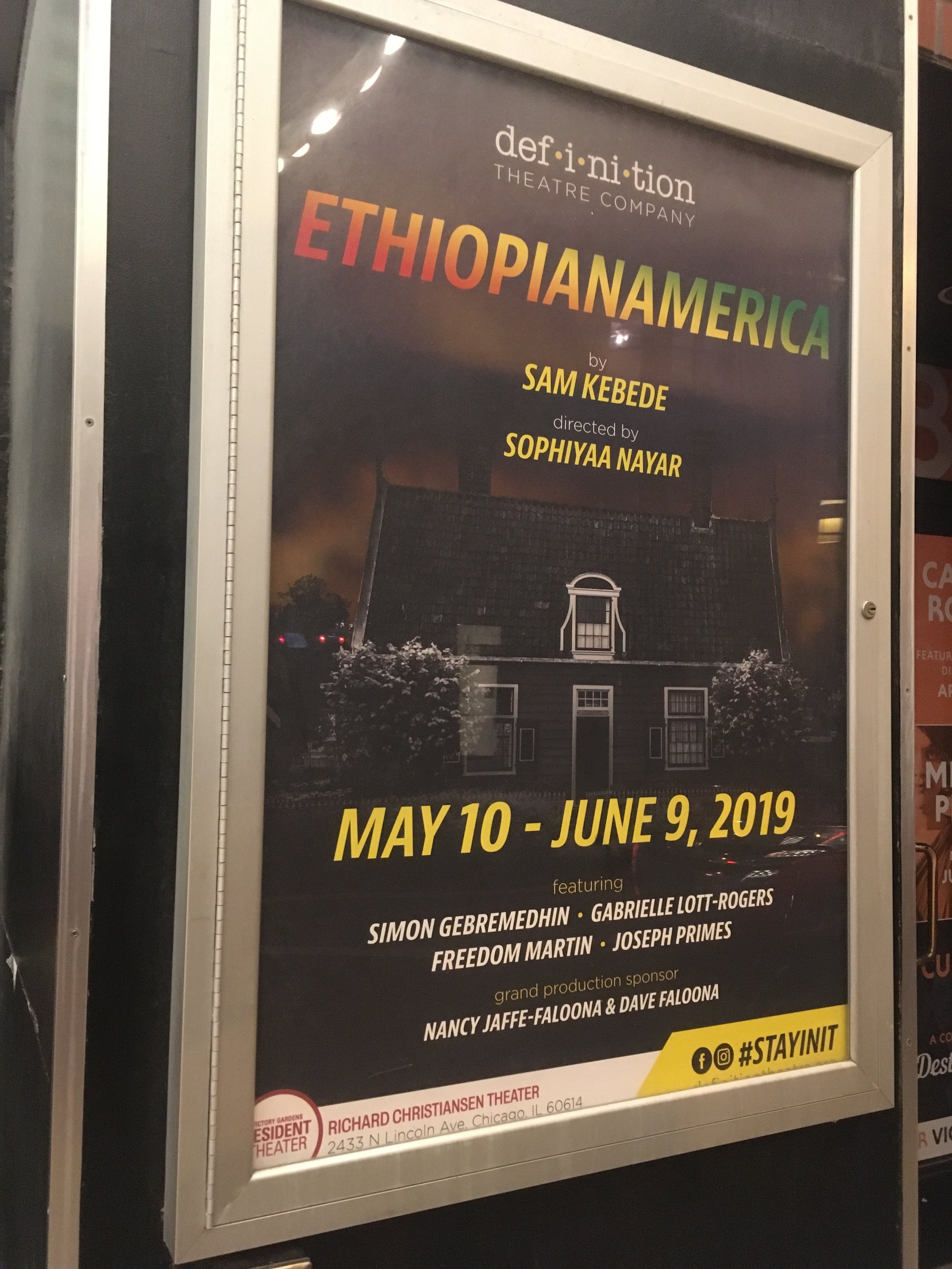
Dr. 2's Surgery with EthiopianAmerica at the Victory Gardens Theater
Patient: EthiopianAmerica
Health Rating: ★★★★★
Symptoms: traditional, modern, tramodernal, assimilation blues
Diagnosis: Domestic smiling


Patient: EthiopianAmerica
Surgery Date: 05-17-19
Parent: Playwright Sam Kebede
Legal Guardian: Director Sophiyaa Nayar
Siblings: Simon Gebremedhin, Gabrielle Lott-Rogers, Freedom Martin, Joseph Primes
Surname: Definition Theatre Company
Room: The Victory Gardens Theater
Insurance: Paperkutz
Symptoms: traditional, modern, tramodernal, assimilation blues
Diagnosis: Domestic smiling

“I just want to be happy! No bad things, just happy.”
Operation Overview:
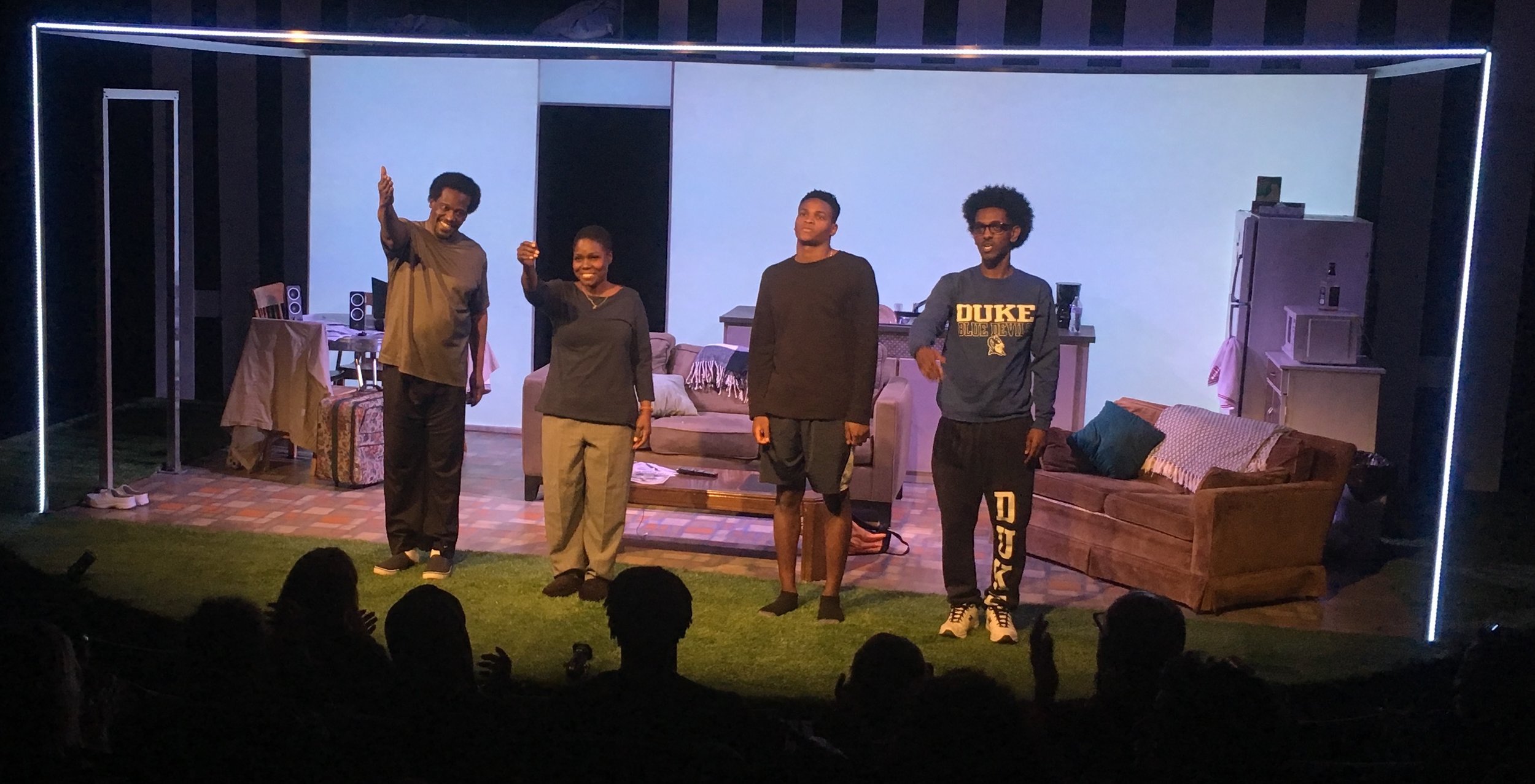
The Kifles are the most darling black Americans behind the modern white picket fence since A Raisin in the Sun. Joseph Primes as Mr. Kifle is occasionally out back tootin’ his McCiggies before his boys get home from playing basketball or being successfully deferred from Harvard. He jostles their robust manhood with old school wrestling matches every now and then. He’s just too damn proud his new men. I was as tickled as his sons from his throbbing traditionalist optimism.
Mr. Kifle is the king of daddy-os with his skinny-fat beer belly and in-between afro. He is truly the senior papa of suburbia. All he needs is a sassy apron for those backyard BBQs with the Joneses and he will be the new Chief Americano. I could just barely tell that Joseph Primes was affecting his voice with a thick Ethiopian accent. So damn sexy he brought a tear to my eye.
The show started earlier than the official curtain up with Johnathan Kifle (Simon Gebremedhin) jammin’ to 2010 bangers like Katy Perry. John is almost as sexy as Papa, with all the deliciously disgusting awkward movements a 17 year old nerd can produce when provoked with Katy Perry. Simon Gebremedhin… is, The Black Napoleon Dynamite, if not worse/better. He just about dances as well as him too. I almost gave him my handkerchief.
The playbill was a resume: boring, blank, except for Sophiyaa Nayar’s essay on the work. My goodness have I been thirstier than a bankrupt hooker this year for an artistic impulse from a playbill. Did you know that Actor X is excited for their X Theater Chicago debut? If it wasn’t for the enlightening essay, I would have likely given up playbills cold turkey.
Freedom Martin as Daniel Kifle is John’s suave antithesis brother. He likes water bottle vodka and slow walks on the beach. Daniel is a too cool punk… that cares. In this instance it wasn’t cliche. Freedom Martin was legitimately experiencing the character, or else the playwright’s words would have likely miscarried. Bad boy roles are sad when they’re aped. They often are. Sad, bro.
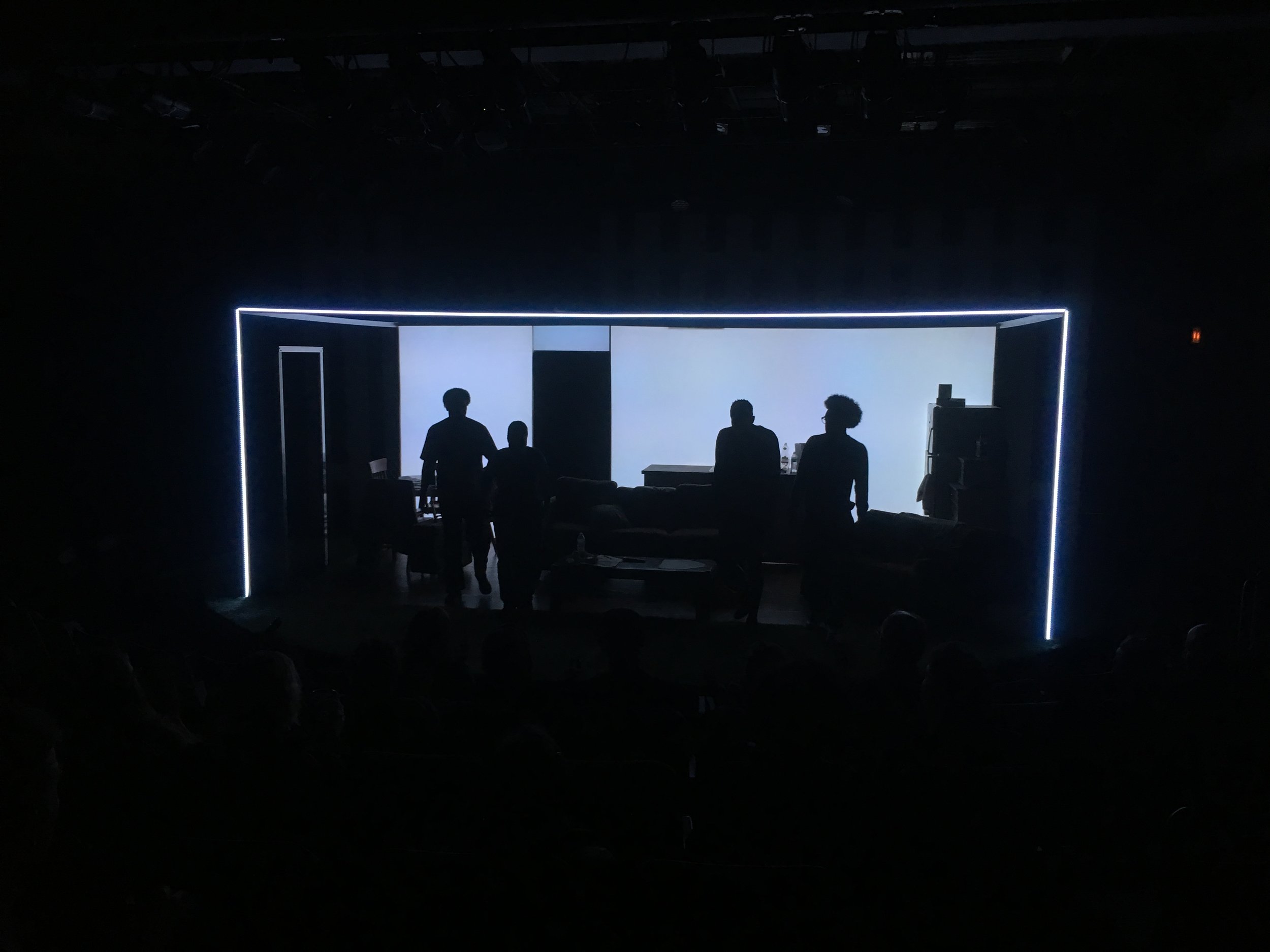
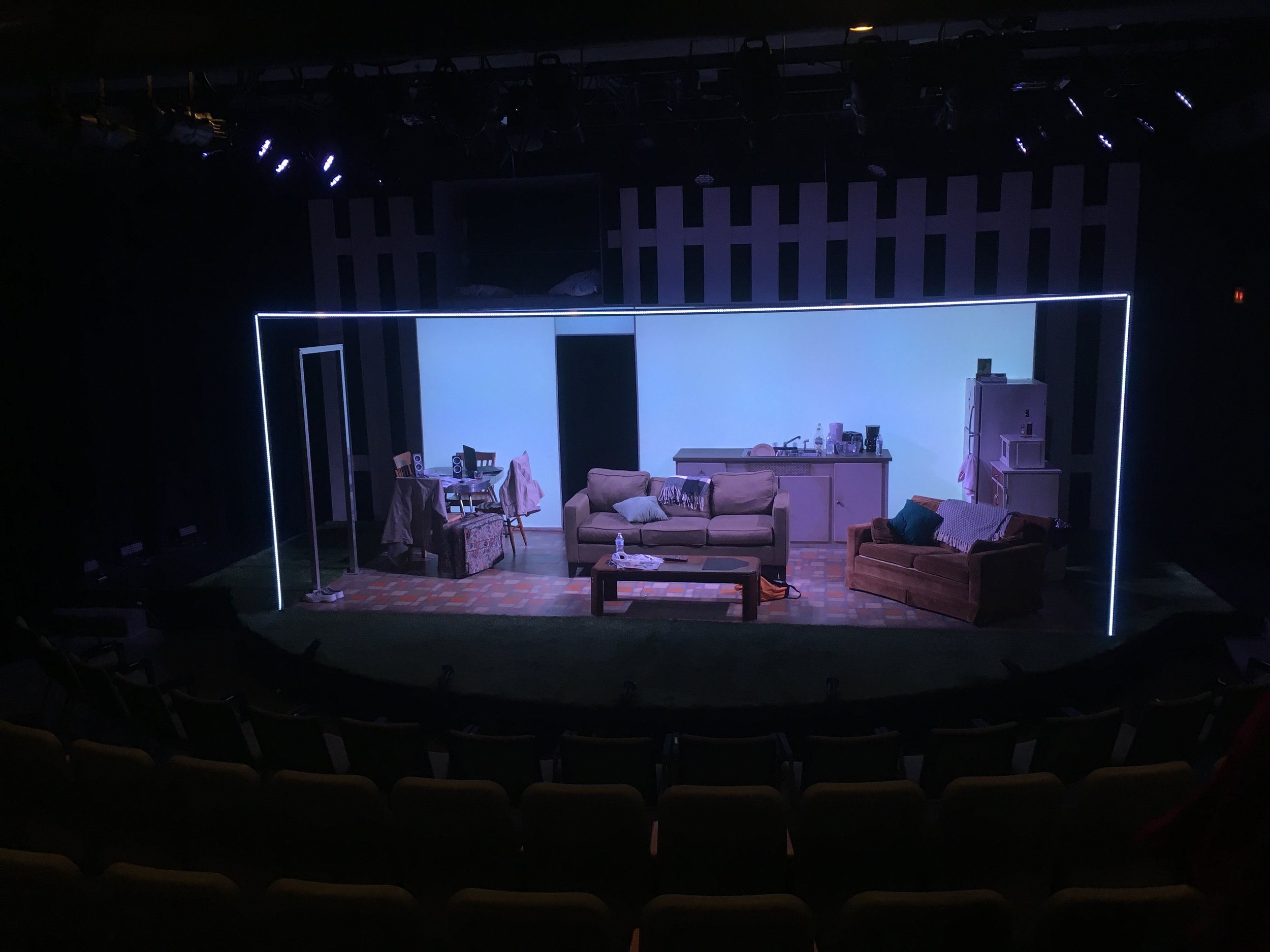
The patient’s frame was electrifying. The stage had basic cube edges that outlined the main room. It lit up at heated moments with an instant symphony of different lights that one wouldn’t expect for a black box theater. It was literally cool, never cattle prodding pointless action. I wondered at first if it was too telling… it wasn’t. The acting and Nayar’s directing gave simple ideas force in this low concept play.
The low-key to high-key misogyny was accessible but clever. Gabrielle Lott-Rogers as Elizabeth Kifle was the best-fit choice for Kebede’s Elizabeth. Liz was the perfect paradox to live out the implications of burgeoning female dignity in suburbia where Papa still reigns.
Elizabeth Kifle’s sweet but never saccharine mommy-o-ism took my heart during high notes of domestic pathos while evoking my sobriety during her own clench for respect. Mr. Kifle consistently plays the “I planted the Tree of Life under your feet.” card while such a play is embarrassingly inaccessible to Mrs. Kifle, despite her owning half the house with her day job. Her vanity to clout a patriarchal respect is amplified by the contrast of her soft but competent personality. Gabrielle Lott-Rogers is Nayar’s secret sauce as Elizabeth Kifle is Kebede’s.
From this subplot, the actors combusted with the most deft power plays amongst each other that I’ve ever seen. It’s a wonder how they had so much energy and synergy for these basic, familial scenes. Nayar and her actors have the talent to create the most striking, natural moments from a simple story.
The audience watched the family watch too much TV. Yep. I’ll get the scalpel. Too much Jeopardy is bad for the soul. Perhaps it was necessary to lead into the Ethiopian, shoulder thrusting dance maneuvers. Again, more sexiness from Mama and Papa.
The familial theme was a bit cloy, but healthy, as it naturally is. In the beginning, it hurt the story because it elongated the exposition: e.g., watch the cute family do more cute family things that don’t move the plot forward with abrasion.
The worst error is Kebede’s ability to back up, or even squarely draw up, Mr. Kifle’s mysterious flaws. The story is isolated in the present because Mr. Kifle, as the blessed, central, “Tree of Life,” has his backstory missing and his tomorrowstory missing. They came from Ethiopia. They are traditional. They want a darling life in America. Jr.’s leaving for Big College. Okay, but it’s not enough, particularly to explain Mr. Kifle’s snake in the grass. His demons were seemingly born on stage. A single walk on character could cure this by giving him some context outside of his home. Where does he even work? Does he? I missed it.
Playwright Kebede, however, hits the mark with Mr., Jr., and Mrs. It must be their own nonfiction story, because it barely exists in the brief transition of cultural assimilation from Africa to America. The window of opportunity for this one generation story is as skinny as Jr. Does anyone notice that these stories are predominantly dated? One day, there will be one, assimilated, uninterrupted America.
As such, it represents a true masterpiece in modern American theater: combating the on-going battle of compromising Old America, New America, and EthiopianAmerica. The patient is in near perfect health.

Rx: More McCiggies
Dr. 2's diagnosis of Elevator Girl by Donna Hoke
Patient: Elevator Girl
Health Rating: ★★
Symptoms: elevator erections, elevator blowjays, elevator mystique
Diagnosis: Going down


Patient: Elevator Girl
Legal Guardian: Donna Hoke
Insurance: Paperkutz
Symptoms: elevator erections, elevator blowjays, elevator mystique
Diagnosis: Going down
“How can a real woman compete with that... that biological
impossibility? An obscene rack and a magical mouth?”
Patient Description:
Somehow, the intro that debuted with sex and superheroes… was flat. The centerpiece elevator counterbalanced with a profound tone to backup the everyday, “every girl” Elevator Girl conception amongst the characters. The whimsical theme of superheroes was always inviting, but it was consistently a let down: superheroes were a very bare prop for the legal guardian. It was so bare, it was excruciating and nauseating. Yes, it was: tights, capes, masks, “Captain” This and That. It’s a wonder how the character Peter is paid United States currency to be a comic artist for these cereal box caricatures. What’s worse, there’s apparently an in-story social network rave for Elevator Girl. I could care less about Elevator Girl.
An inside joke walks into an elevator: it became the milked dry through-line of this play. The plot robs itself of subtly with plot billboards such as Vanessa. There is authentic dialogue; it’s a wonder where the logic gets off when the story needs natural direction. The drama sneaks up on the reader because its foreshadowing was paradoxically absent or telling. The dull vulgarity is dull, “turbo deep-throat.”
Only after the patient’s diagnosis did I research its #Metoo themes. Without briefing, I didn’t get these from the patient at all. Victimization, pathos, sex, not sure, it was all unimpressive. Was it Richard, the lame douche stock character? I hope he doesn’t represent Every Guy.
EG is a healthy platform for a modern, casual play. The playwright's goal is on the right floor. One day, perhaps, their patient will be up, UP, AND… revised.
Rx: Captain Cliche-Away

Dr. 2's Surgery with 25/25 Anniversary Show at the Trap Door Theatre
Patient: 25/25 Anniversary Show
Health Rating: ★★★★
Symptoms: mythic, absurd, raw
Diagnosis: Too spooky

Patient: 25/25 Anniversary Show
Legal Guardians: Director Beata Pilch, Playwrights: lots
Surname: Trap Door Theatre
Address: 1655 W Cortland St, Chicago, IL 60622
Insurance: Bookmarx Medical
Symptoms: mythic, absurd, raw
Diagnosis: Too spooky

“Send me a bill for whatever... this, was.”
Operation Overview:
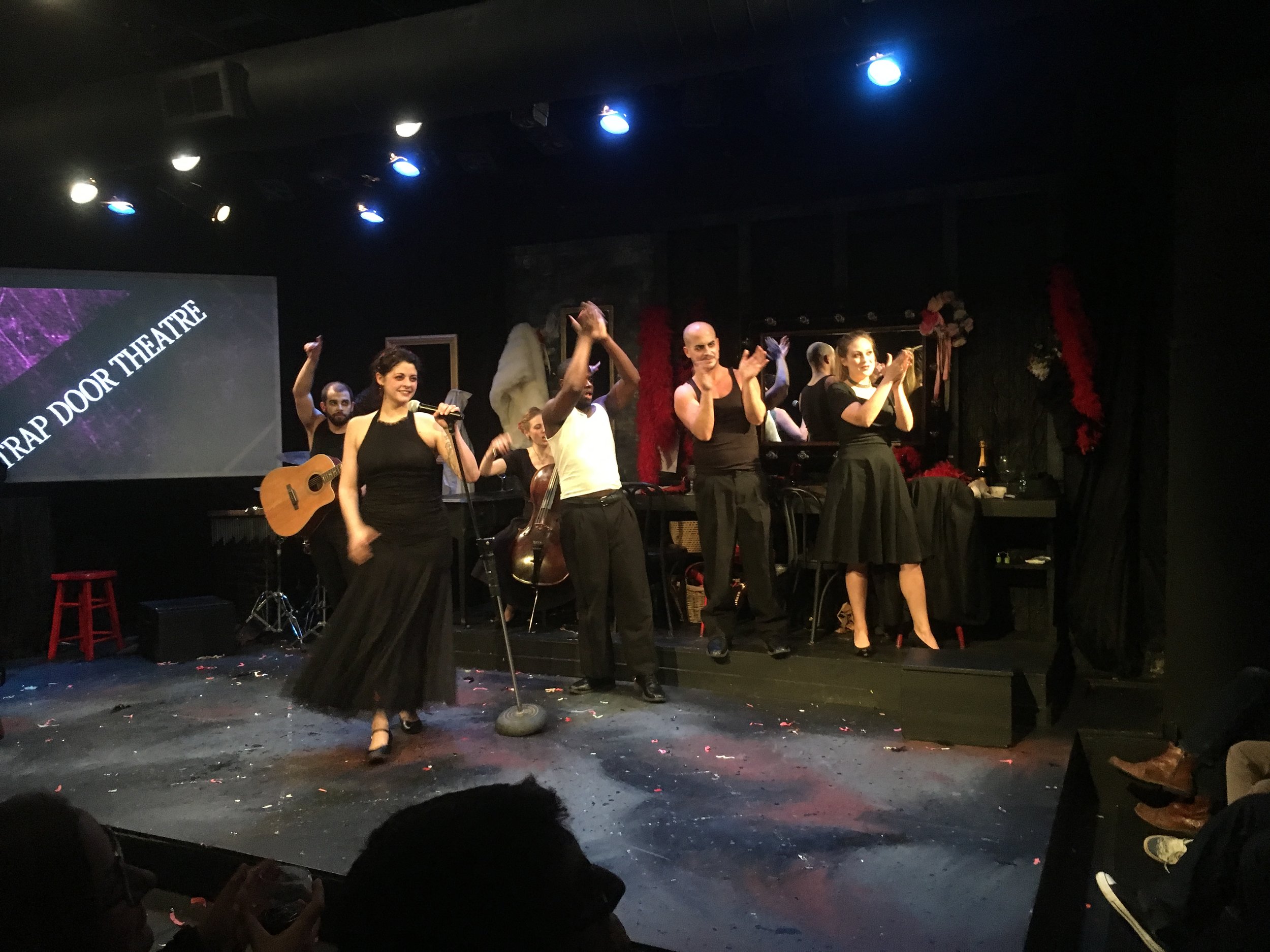
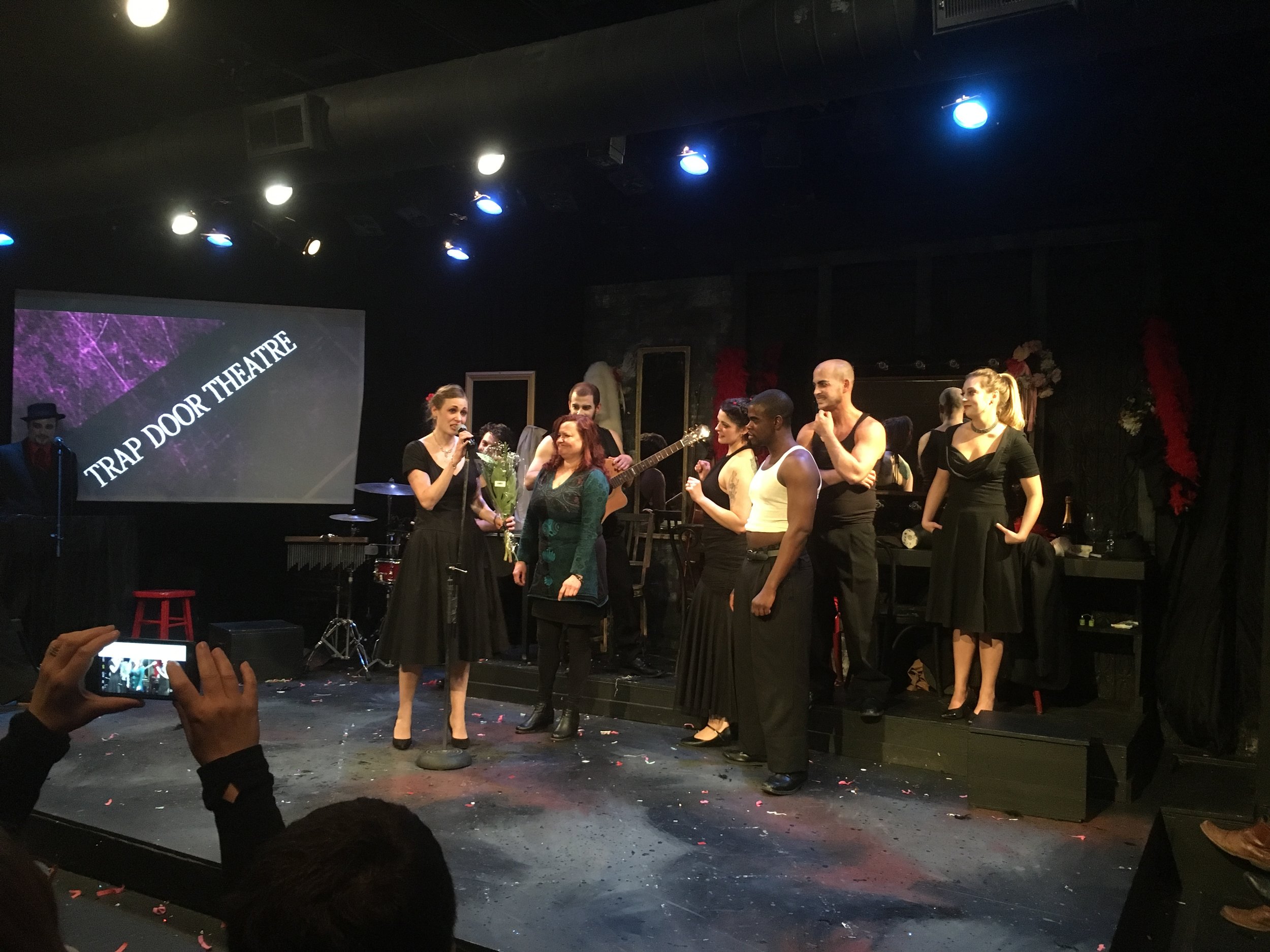
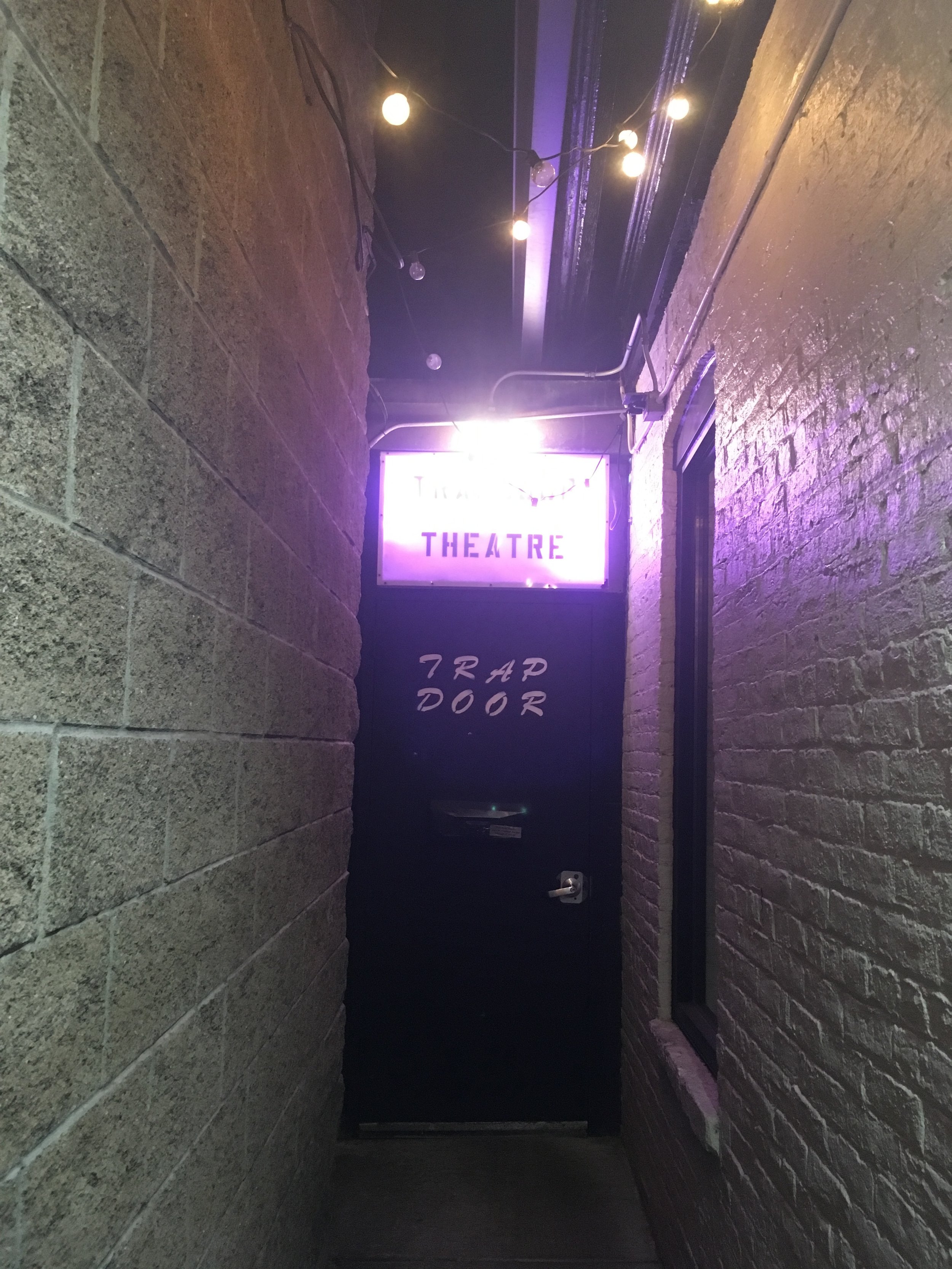
Through the Cortland gangway, the Trap Door Theater has been playing for 25 years. This year I’ve been breaking records on the small sizes of black box theaters in Chicago. The Trap Door has only four rows of audience members with a stage in the corner: cuatro. I was content to be greeted with a complimentary beer by the director herself, Beata Pilch, while the theater quickly filled. Thank you!
There was a pre-show documentary that visually narrated 25 years at the Trap Door. They’ve done a lot of fucked up shit in great taste, man. They are true American-European tragedians that deserve the highest esteem for their ironic work. I didn’t catch the name, but their early previous show with two men injecting drugs in a derelict washroom shocked me as the actor shot up via ass cheek. Their convulsing, greasy, weeping bodies were a rare experience in the theater’s art of living. The miserable mise-en-scene may seem simplistic, but it was organic and nourishing because of the old actors’ talent: raw and accessible like a bitter vegetable.
The show started with the players already getting ready at the far edges of the stage. Madman & the Nun was a disaster in dialogue. It was explicit and undramatique. It was the worst opener possible. Keith Surney’s energy quickly rebalanced from the somber fumble. Road to Nirvana was an awesome late ‘90s vid with something about a homo woman, maybe? It was just awesome, like young-adult-late-‘90s awesome. Can someone please link me the video? It was awesome…
I sensed that many dead moments were not a result of my misunderstanding, but a failure to launch. I’d prefer the patient’s legal guardians be more economical with their irreverent leaps. There were times where I didn’t feel invited amidst the ritualistic absurdity. Because the show was a timeline, I already saw improvement from the legal guardian over the years on the issue. If I was writing in this tricky territory, I would have a notebook full of justifications for every ambitious and recherché line to back myself up against this criticism.
I’m not gunna lie. There were many misfires. The song about going to the bathroom in the lobby’s literal trap door played by Holly Cerney tickled a chortle; then it was a check-the-time frown along. Crazy Locomotive ‘00/’05 was when their absurdity completely backfired. I understand that it showed random scenes out of context, but my handsome head was too dizzy to find a rational through line. A Couple of Poor Polish Speaking Romanians had a robust script structure, but was very crude in execution. It was not funny, then offensive. Fairy Tale Lives of Russian Girls made up for this callused European flop with some perspective.
Honestly, I’m ready to snipe this theater on a bad day. Their anniversary show was impossibly vivid but I’d like to see them on a regular night when my scalpel is hungry for healing and the abstractions run dry. In a sense, their actors are cheating, because they have a constant access to the high-octane absurd. That is what their dark piety curiously grants them.
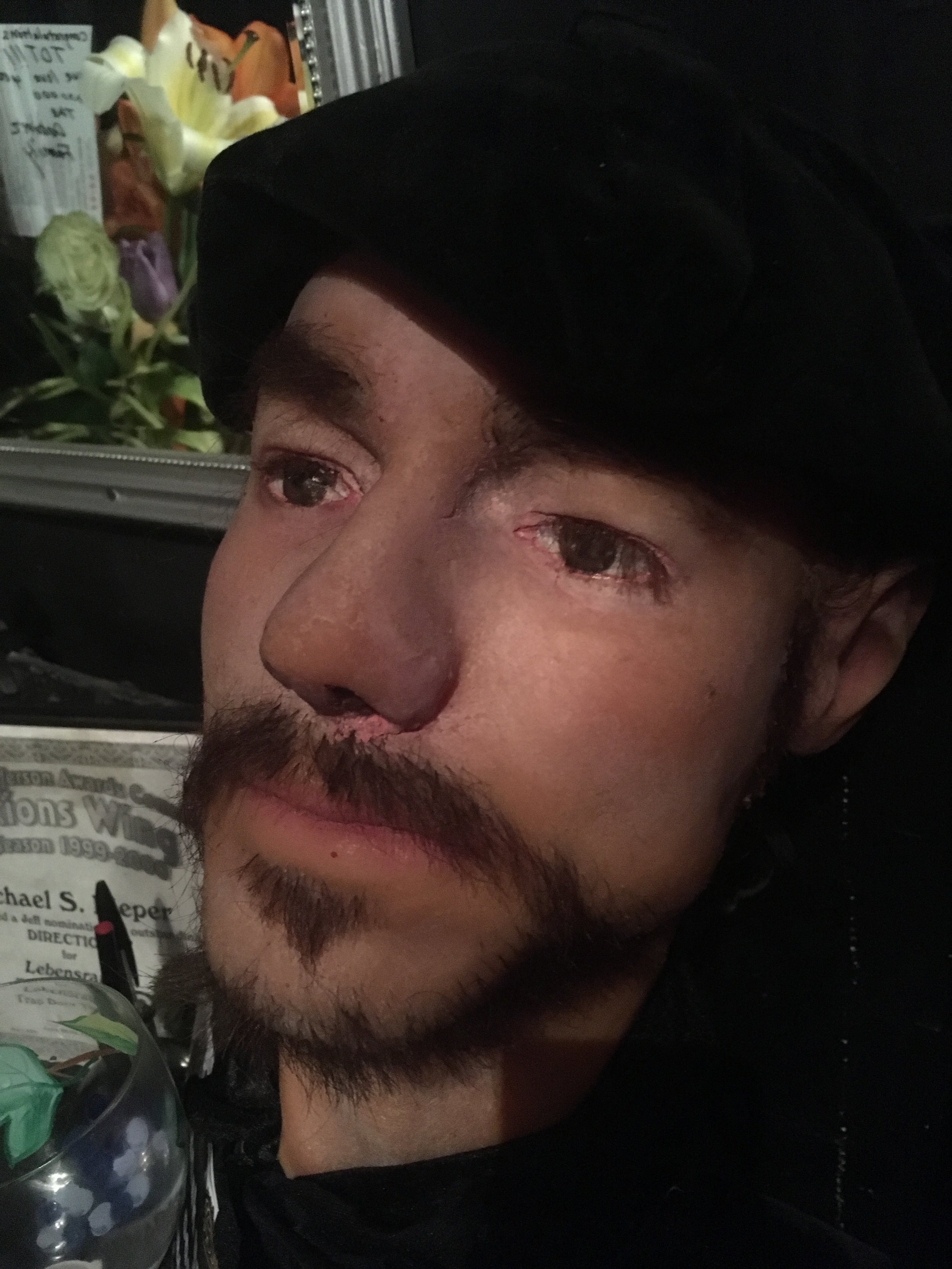
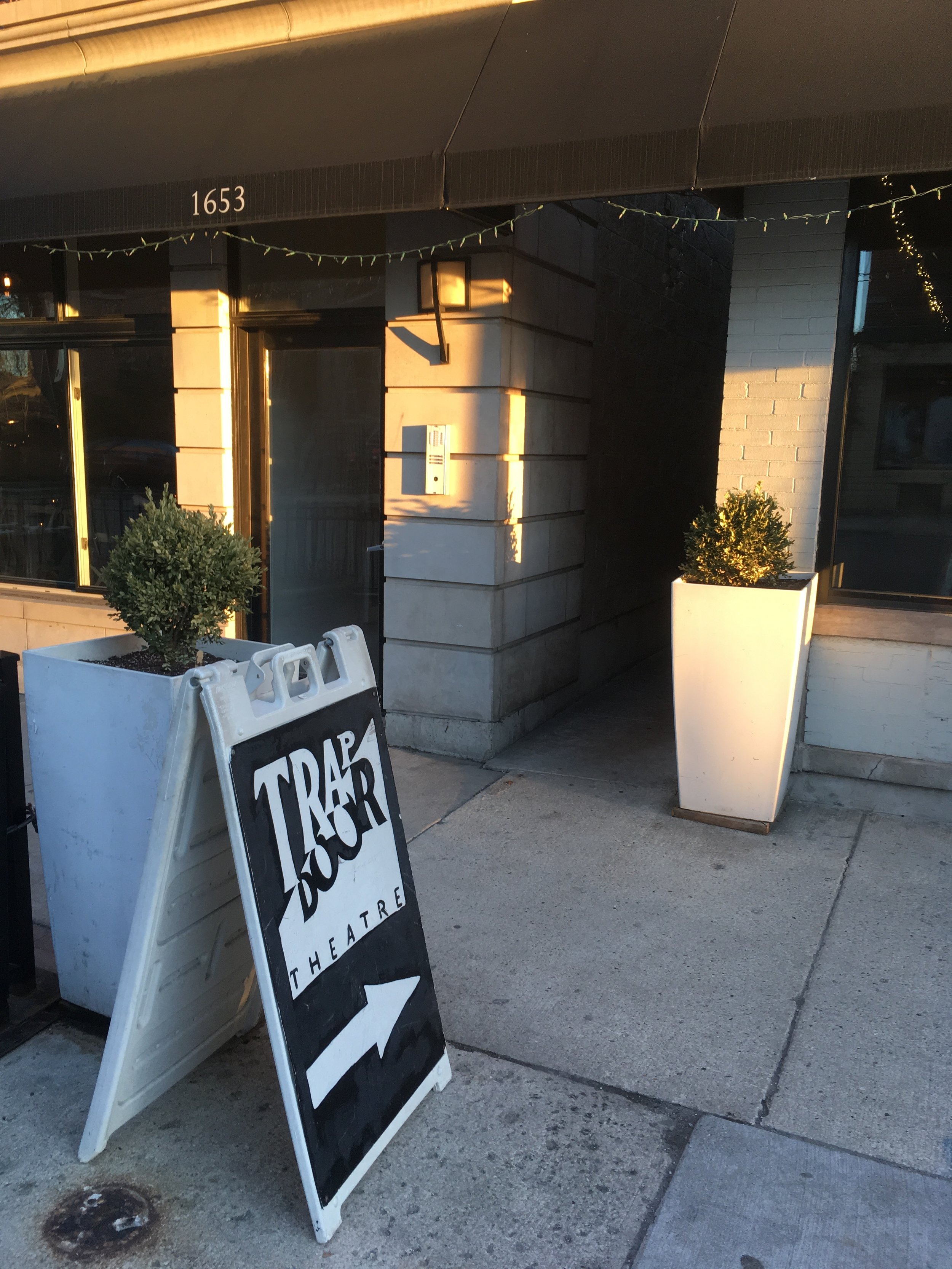
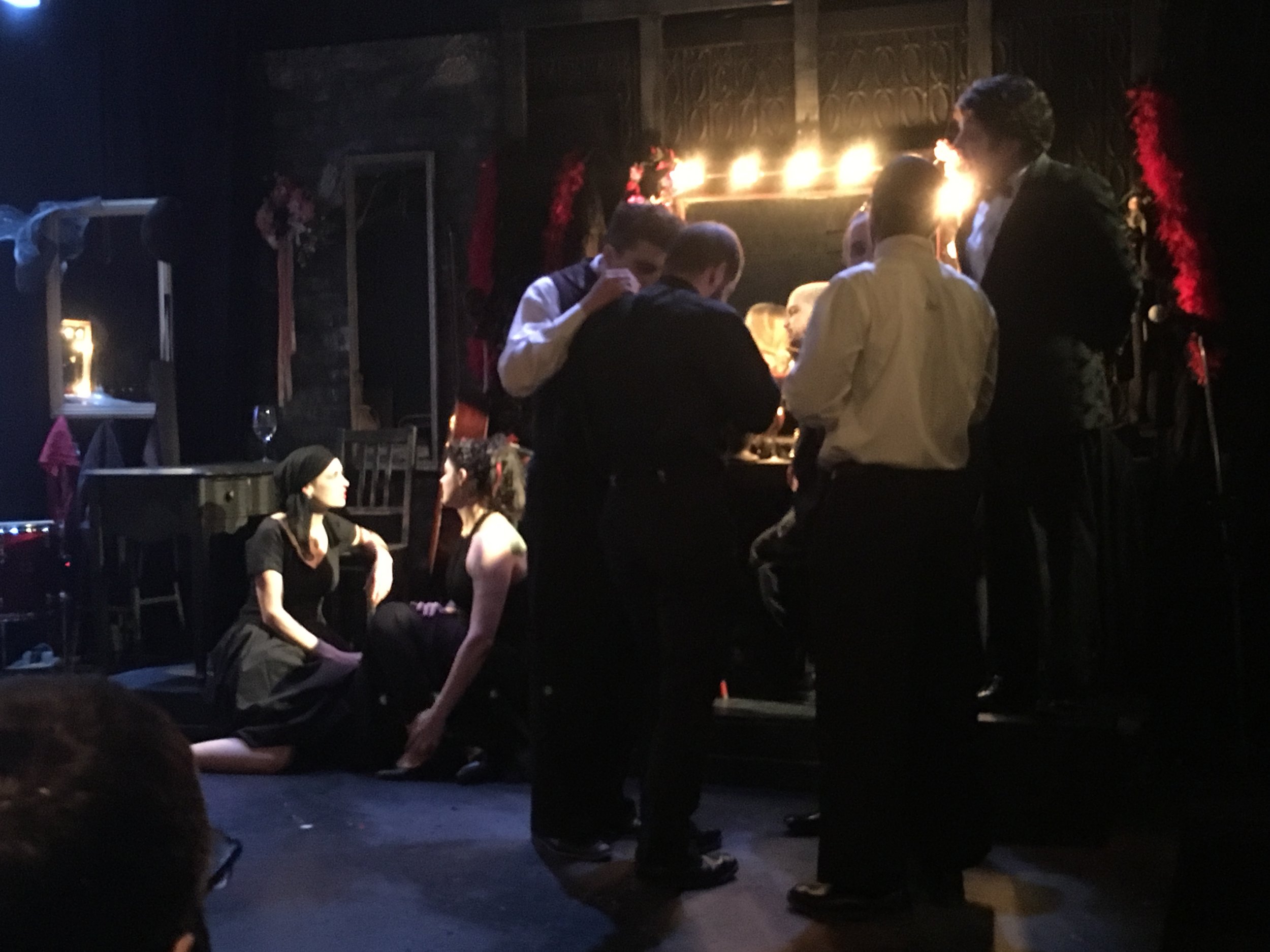
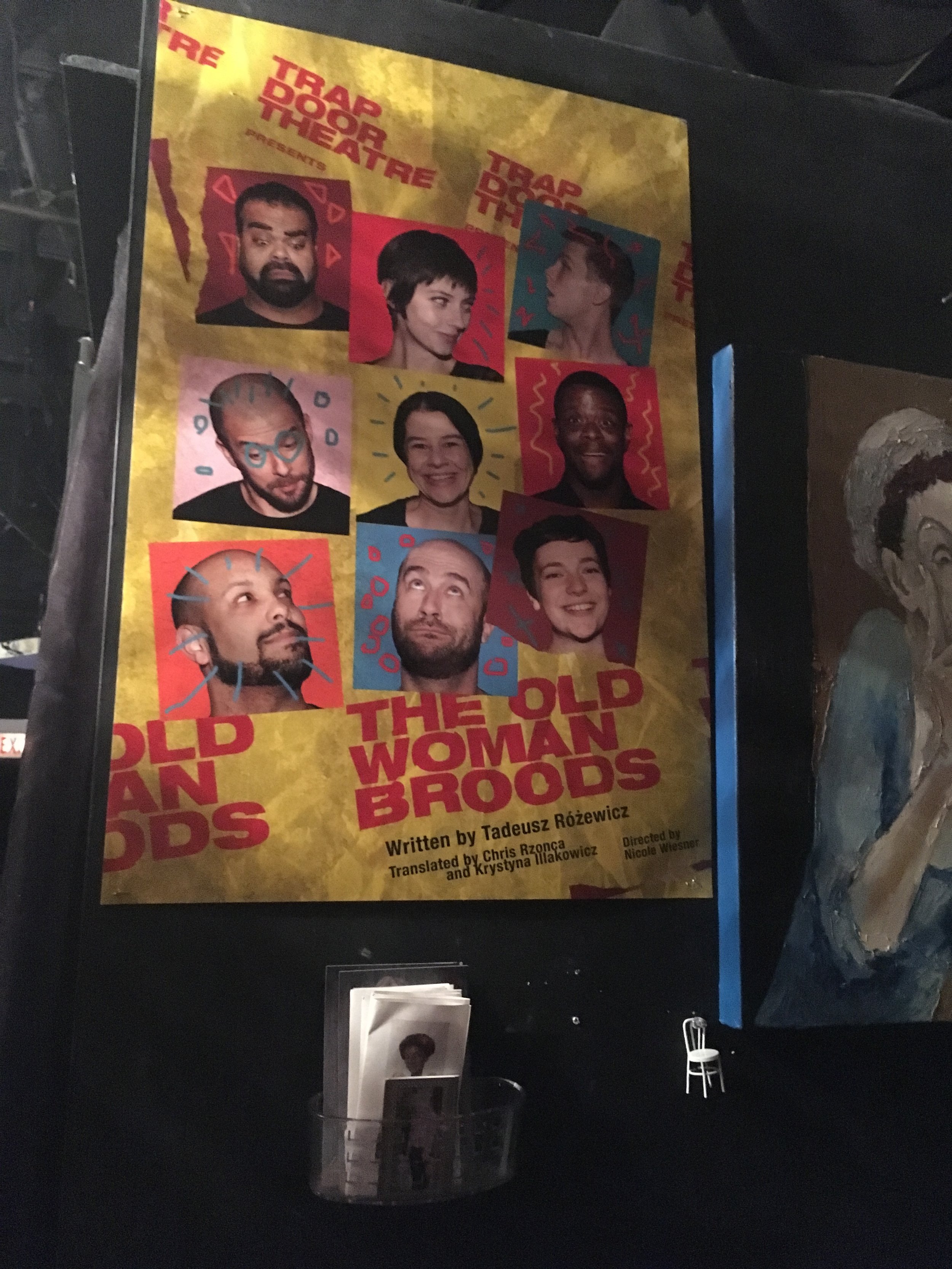
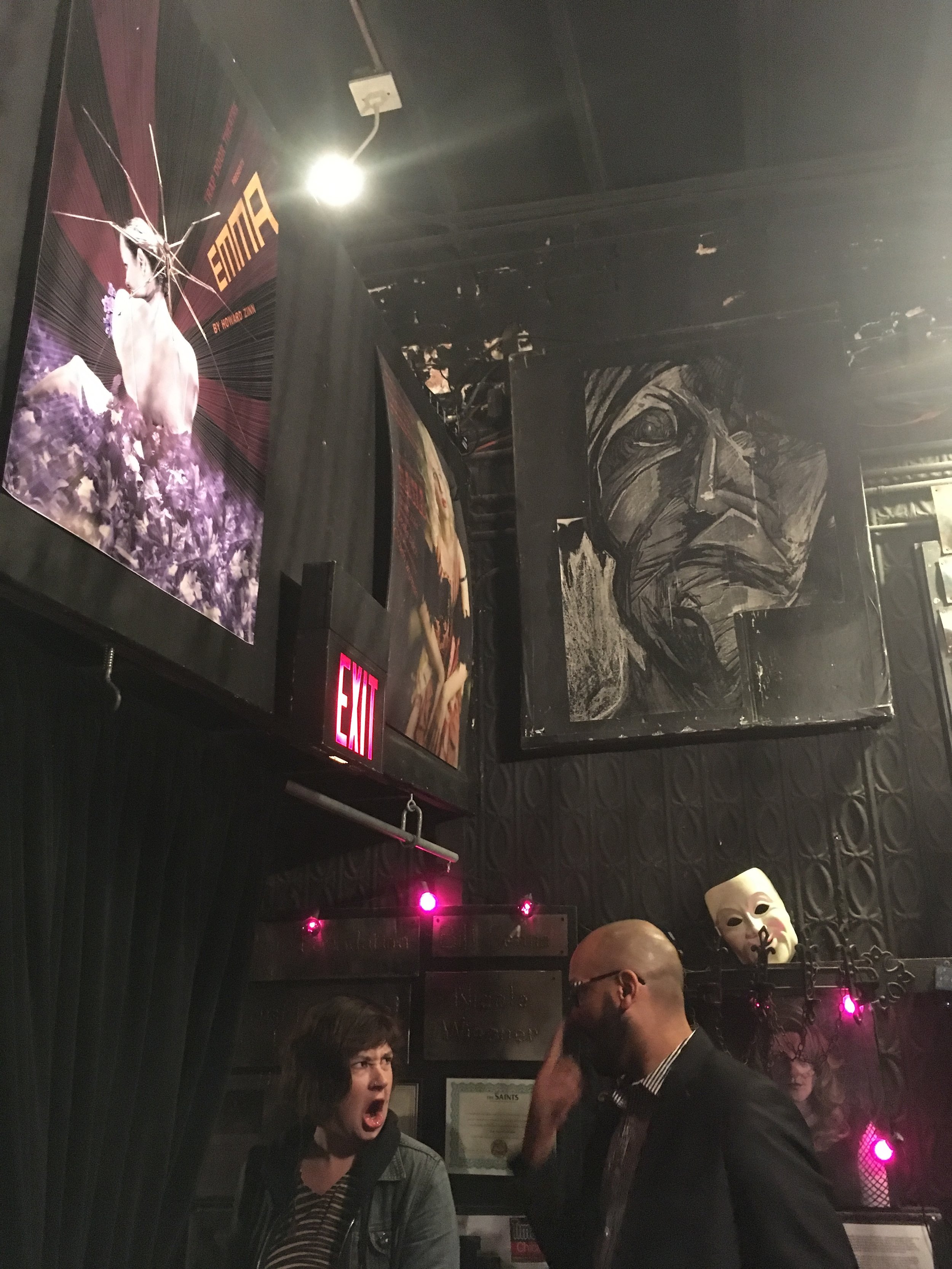
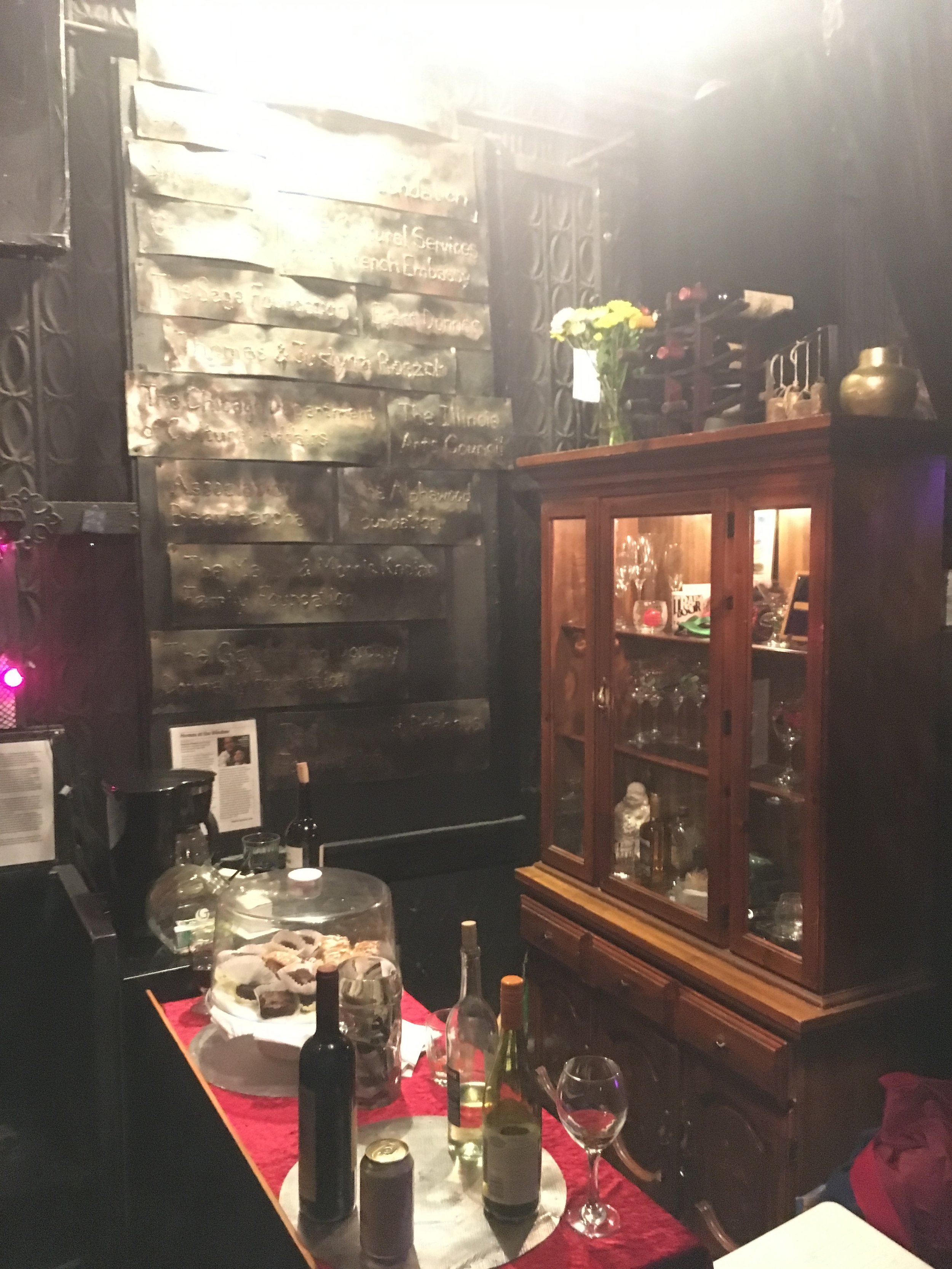
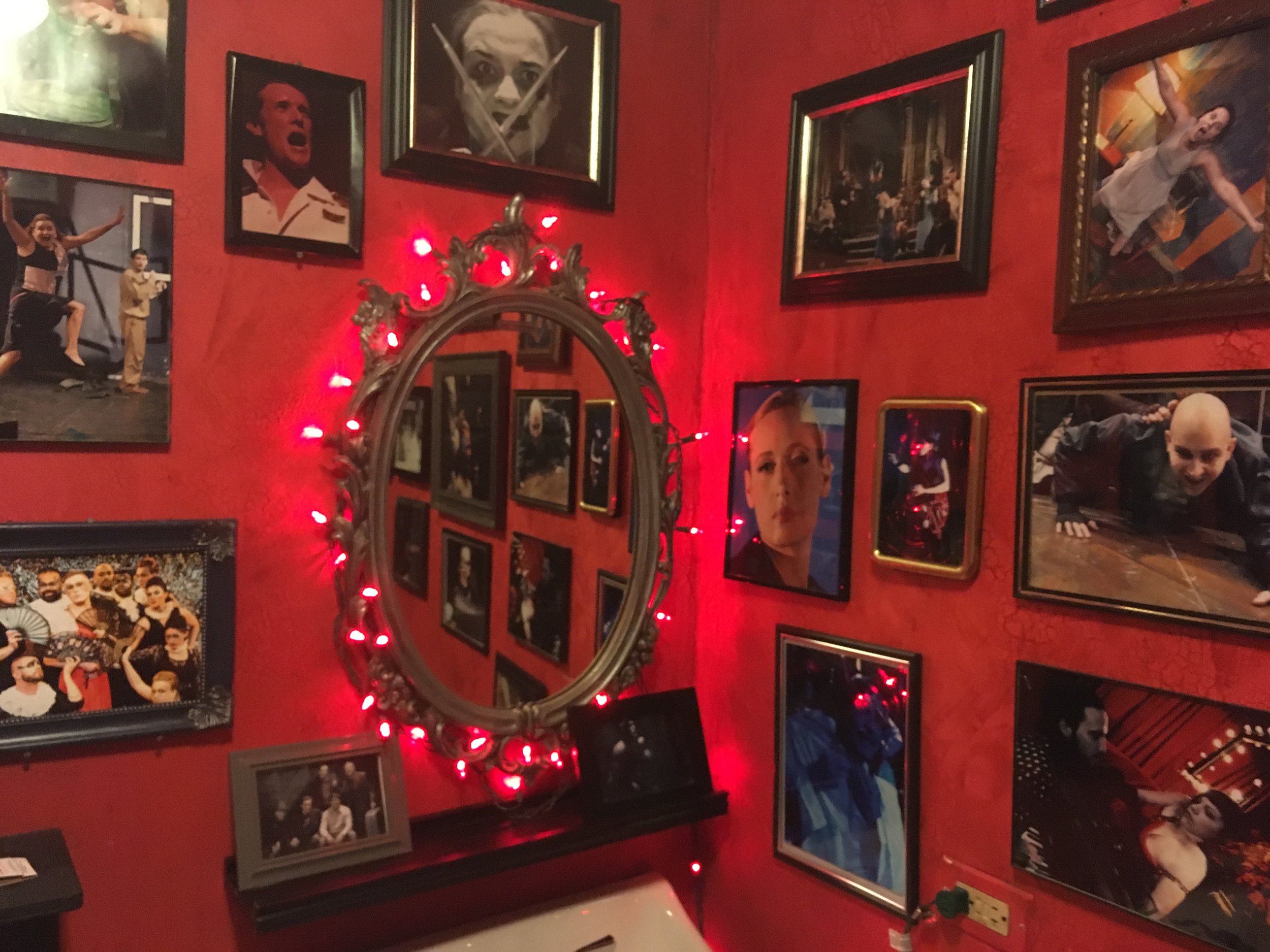
Rx: Go to the Saint Mary’s church down the lane.

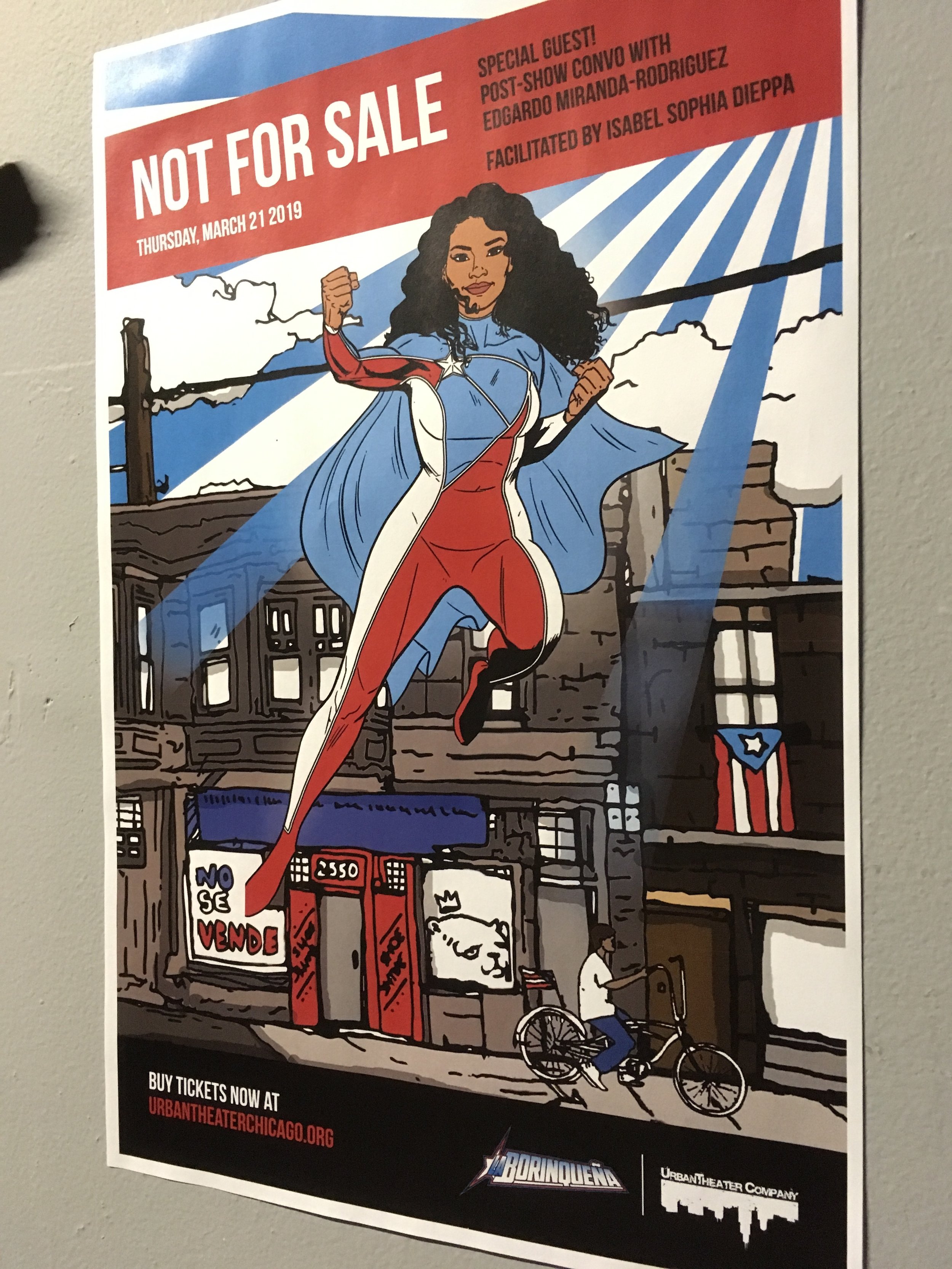
Dr. 2's Surgery with Not for Sale at the Urban Theater Company
Patient: Not for Sale
Health Rating: ★★★
Symptoms: We-got-the-gringos, we-got-some-Puerto-Ricans, we-got-it-all.
Diagnosis: Gringophobia

Patient: Not for Sale
Legal Guardians: Playwright Guadalís del Carmen, Director Wendy Mateo
Surname: Urban Theater Company
Address: 2620 W. Division St., Chicago, IL, 60622
Insurance: PagePay Plus
Symptoms: We-got-the-gringos, we-got-some-Puerto-Ricans, we-got-it-all.
Diagnosis: Gringophobia

“That Puerto Rican Flag [...] is a flag of resilience [...] through hurricanes and tornadoes.”
Operation Overview:
I didn’t know the gringos took Lincoln Park. That is wise Chicago history the patient gave me. I knew about the great metal Puerto Rican flags that fly high over Division street in Chicago. Humboldt Park has a strong Puerto Rican past and present, but I did not notice the gringos were on the prowl for her. It makes sense. Driving west on North from Damen and one will see the stark transition from “Eclectic Clothitoriums” to street side torta sellers.
The artistic director and executive director, Miranda Gonzalez and Ivan Vega, gave their comments before the show on why they brought the script to life: one reason was to keep Chicago stories real, particularly against theatrical transplants. I liked that. Many come to the Big City for Big Opportunity or Big Spending, but who was raised here? Who knows the rhythm of her streets? This short intro was analogous to the patient’s story with “decolonizing the culture” in Humboldt Park.
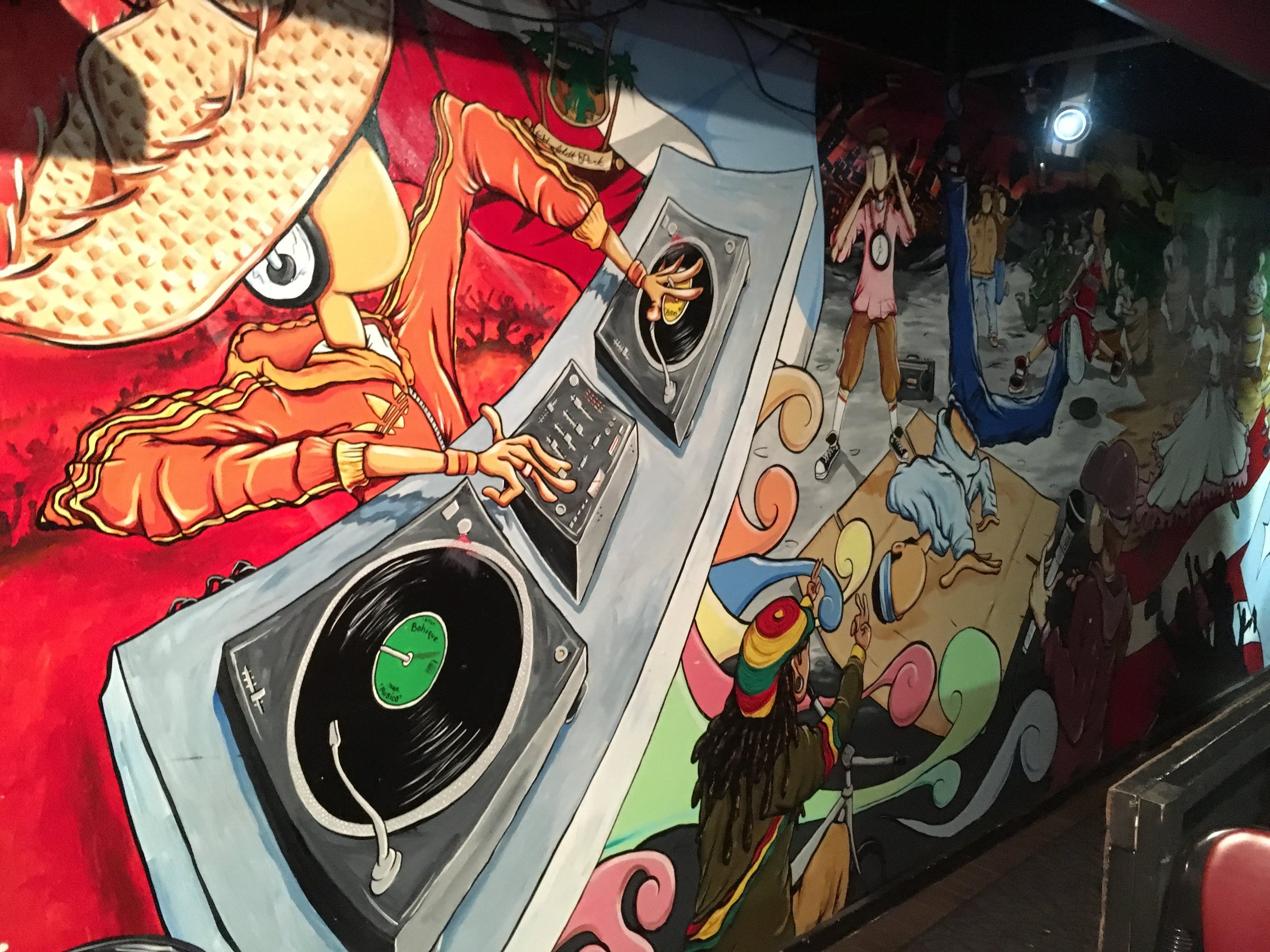
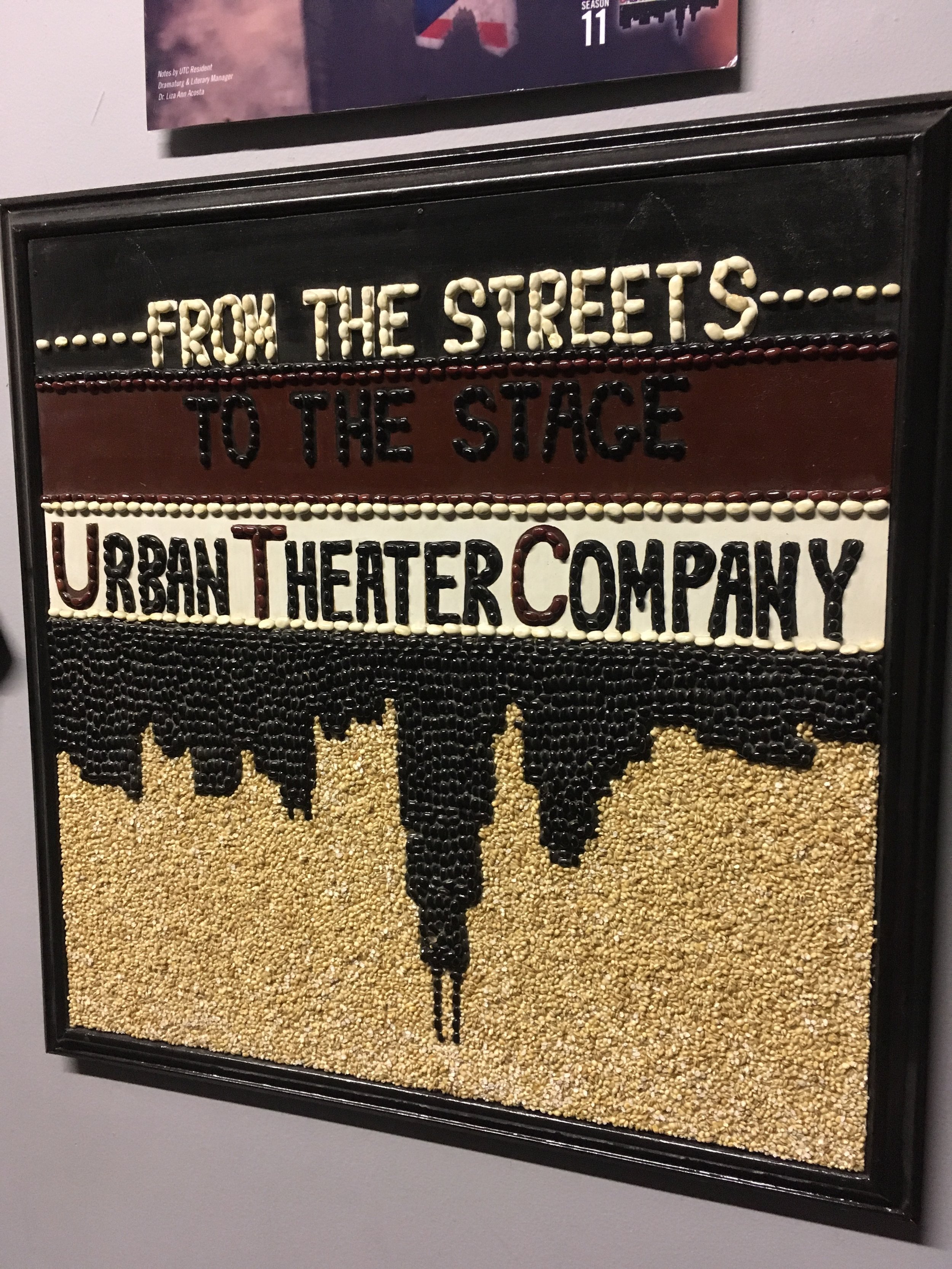
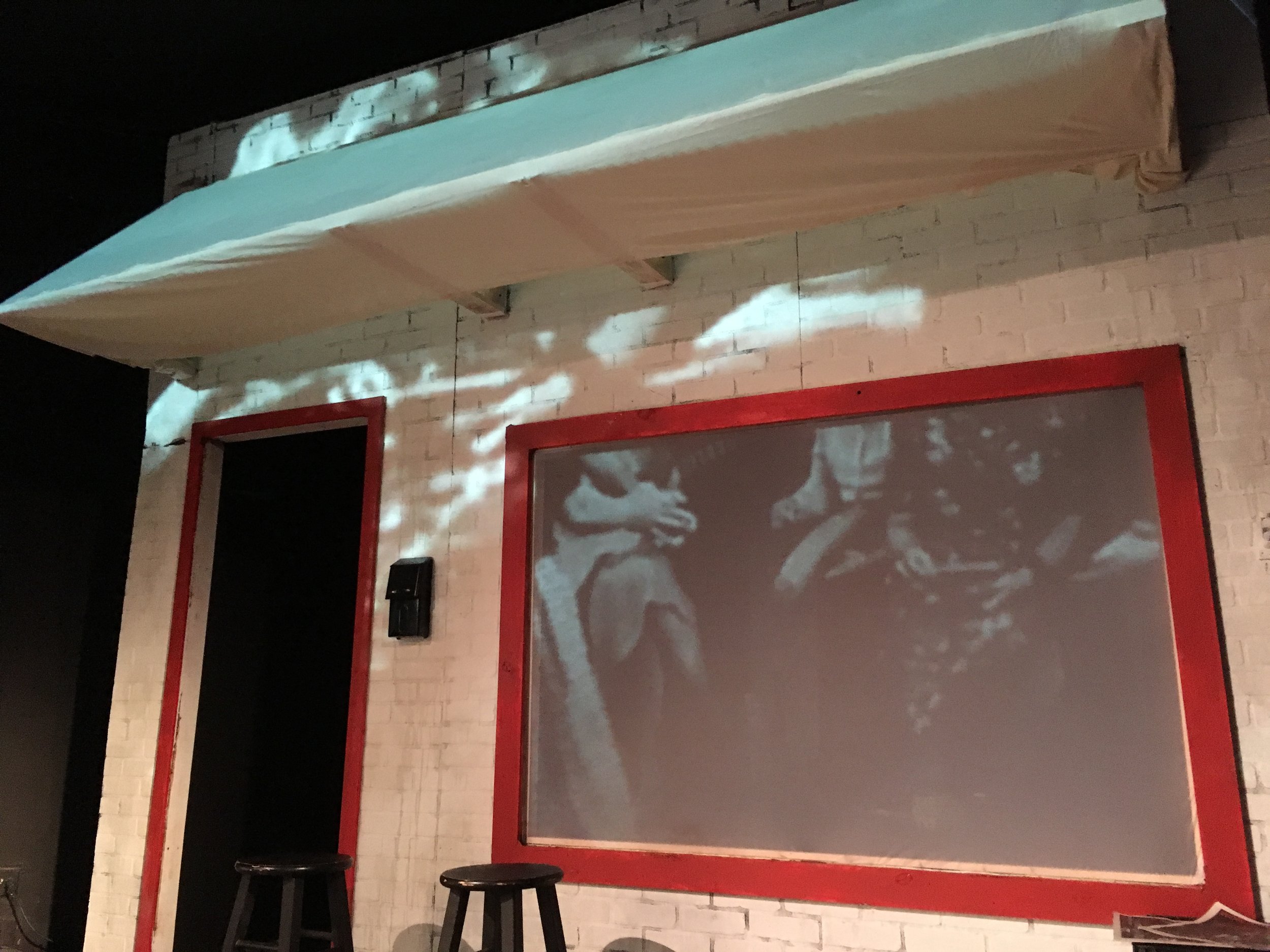
I was fascinated by the Urban Theater Company’s capacity to fit a black box into their street side theater. Their lobby is a closet, but their stage is... a big enough closet. The mise-en-scene was cute: two lil’ shops n’ such. As such, transitions were always quiet and simple—my favorite. I was sittin’ pretty, but the playbill was sour because it was merely a mass resume, advertisement, and boring questionarre. No info on the play, but there was a pretty shot of the Latina playwright. At least there was a short paragraph of Urban Theater’s mission before two pages of generous actor bios.
The play started strong as a pseudo facebook status update on the gringos in the hood. Andre Truss as Devin Thompson and Andrew Neftalí Pérez as Ricky Gonzalez ally-yooped each other robustly throughout. Pérez’s feisty actor plasm spat a tear to my eye. The stage needs ten more of these boys by tomorrow. The Sokolovs, played by Saemus McMahon and Rebekah Roberts, were thoughtfully darling. In all my years, I’ve never seen more talented encroaching cosmopolitans. I never will.
Frankie Davila as Reynaldo Rodriguez shocked me with his simple, masculine authenticity. He was no less than the Puerto Rican Marlon Brando touring Humboldt Park. He was the perfect personification of the playwright’s thesis on Puerto-Rican American culture. There is no replicating what he did: only he has the years on him to live on the street as a Latino. He was a gem for the playwright.
Past Puerto Rican zest, Soli Santos as Alderwoman Nancy Torres recited the lines rather than spoke to other characters on stage. At first I thought it was initial stage jitters, but she consistently droned. The bureaucratic role invited this flaw, in addition, the lines of this bureaucratic role were… bureaucratic. Guadalís has an unforgivably linear idea about Aldermen: Torres was always a lame one-liner machine. Nothing the Alderwoman said was exciting or inciting, even when she tried. “Here’s my card.”
The intermission drama was so cliche and unwarranted I had a heart attack.
McMahon and Davila had a timeless dialogue, but it ended in a cloy mush. It’s moments like those that I want to break my vows as an Angel Doctor and Do Harm to Some: the playwright. Devin Thompson didn’t make sense. Was he a bodyguard to the Alderwoman? Then isn’t it steep for him to run for office? If he was more than a bodyguard at City Hall, why is he in Humboldt Park? Humboldt Park is not bad—that’s why the gringos want it—but his status was too magical for me.
The simplistic language flowed with the authentic dialogues but stifled all drama. All drama.
Act 2 was Act 1 with a 2 stapled onto it. It was the continued abrasion of culture wars from the first act without anything new. The plot wouldn’t dare evolve. It was a carousel of authenticity, namely Davila, refreshing, but boring by the third run around. Very boring.
The worst flaw of modern street side theater occurred: the solutions were Sesame Street. They were horrible and simple. Act 2 could have devoted more time to naturally build up to these solutions to make them more legitimate. Instead, something-something-something-something-decolonize the culture-something-something-We did it?
The playwright’s consistent flaw is an inability to close her work. Act 2 as a whole was flat. Dialogues ended flat. Plot resolution is flat. Neither the noble themes nor Davila could save these closing issues. These flops are always a paradox because they exist beside strong primal spirits.
This patient was ready for a perfect health rating, but Guadalís’s crooked spine needs to be straightened out immediately. It has been a testament to the playwright’s contribution to the stage: no amount of theme, actors, staging, culture, or energy, will ever precede the necessity of a healthy script.
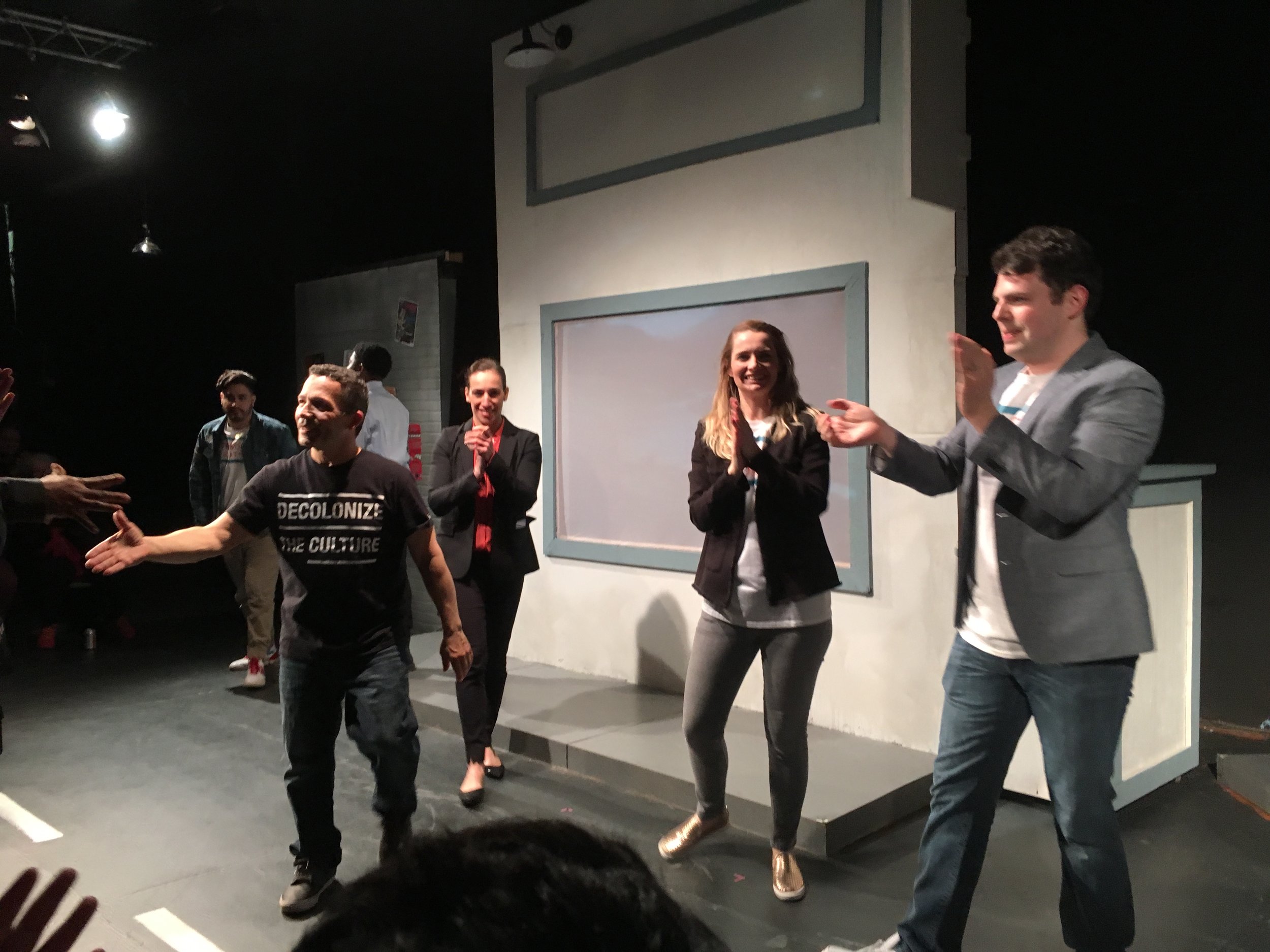
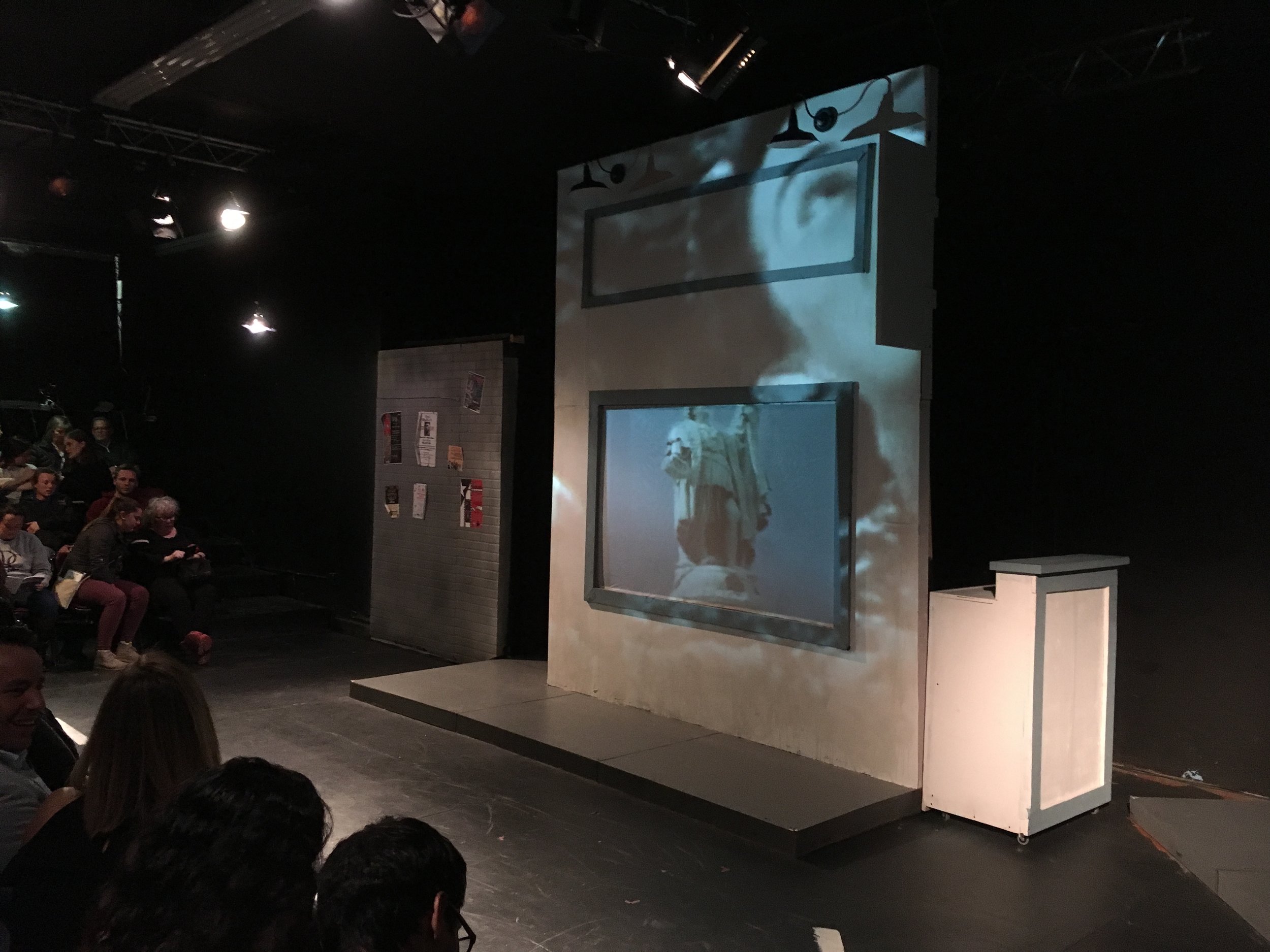
Rx: Colonize the Denouement

Dr. 2's Surgery with The Darkness After Dawn at the Factory Theater
Patient: The Darkness After Dawn
Health Rating: ★★
Symptoms: Gunny McShooty, artistic duress, the Filth
Diagnosis: Cliches After Dawn

Patient: The Darkness After Dawn
Legal Guardians: Playwright Manny Tamayo, Director Mandy Walsh
Surname: Factory Theater Ensemble
Address: 1623 W Howard Street Chicago, IL 60626
Insurance: Paperkutz
Symptoms: Gunny McShooty, artistic duress, the Filth
Diagnosis: Cliches After Dawn

“What makes you think the funds in your bank will satisfy me?”
Operation Overview:
I was physically nauseated for unrelated reasons before entering surgery. I went to a three star restaurant earlier and ordered their fried seafood dinner. They gave me so many scallops, Nurse 911… so many scallops. My plate was like a private island mound… of scallops. I believe I will win the Unbiased Doctor of the Year Award because of my dedication to withstand a whole surgery while wafting stomach sickness but disallowing it to intervene with the patient’s surgery.
The Factory Theater is a modern storefront theater with an authentic reminder for their audience: “most Chicagoans created theater companies because they didn’t want to wait for the right kind of shows to appear—they wanted to make them.” Props to the Factory for not including their actors’ resumes in the playbill. More theaters need to leave room only for art. Their black box was decked out with sublime seats for the audience. The stage was well suited for the particular play, but it’s so simple, clever, and pliable, that I can imagine the layout being the back drop of almost any interior scene with little interchange. Lighting, tech, and set crew accented the scenes perfectly.
After the facade, the patient turned terminal. Their vital script was unsalvageable during surgery. The actors and dialogue came on strong, but after the first scene’s movement, the seams ripped into a full malfunction. The actors where faithfully invested and bringing their A-game, but the script is so simplistic and unoriginal that no special delivery or magical celebrity could repair it. It has all the tricks of an eleventh-hour drama. The only gimmick the writer forgot was… “What about… the baby?!” I had no idea what the through-line was. Tamayo attempted some tricky-dickens tripartite deception, but I would suggest they mend their basic forms before attempting such a maneuver. I wondered why the portrait on the easel, the centerpiece of the play’s symbolism, was pantomimed and blank. If it’s important, commission an artist. The rough n’ tumble scenes were uncomfortably amateur; I’ve seen better fights from impromptu.
The actors had their personal flaws apart from the stilted one-liners. Blake Dalzin was feisty as Renzo, but his character in particular was a megaphone for the script’s flaws. He was often out-of-tune and unable to mitigate the awkward lines. Bradford Stevens as Hughes was as energetic and deaf as his partner in crime. Allison Cain as Rosemary was a beacon of organic speakin’. Her lines, however, were not free from the script’s bumps; I found myself cringing with her as well. Jose Cervantes as Jaime and Samantha Newcomb as Aurora were notably dedicated minors bringing real visceral moments to the performance. Their roles had the least amount of script croaks.
The patient will not make it. Harvest the actors from the piece and donate them to a new patient. The script is dead at one star. I’d like to give the actors a four star rating, but their performance was so curved by the ill script that I cannot say I know their true ability. The patient will be buried with a two star health rating with a diligent effort from the actors to bring it to life.
After I got home, I went to the washroom and instantly upchucked an explosion of sour scallops. I was dripping with catharsis.
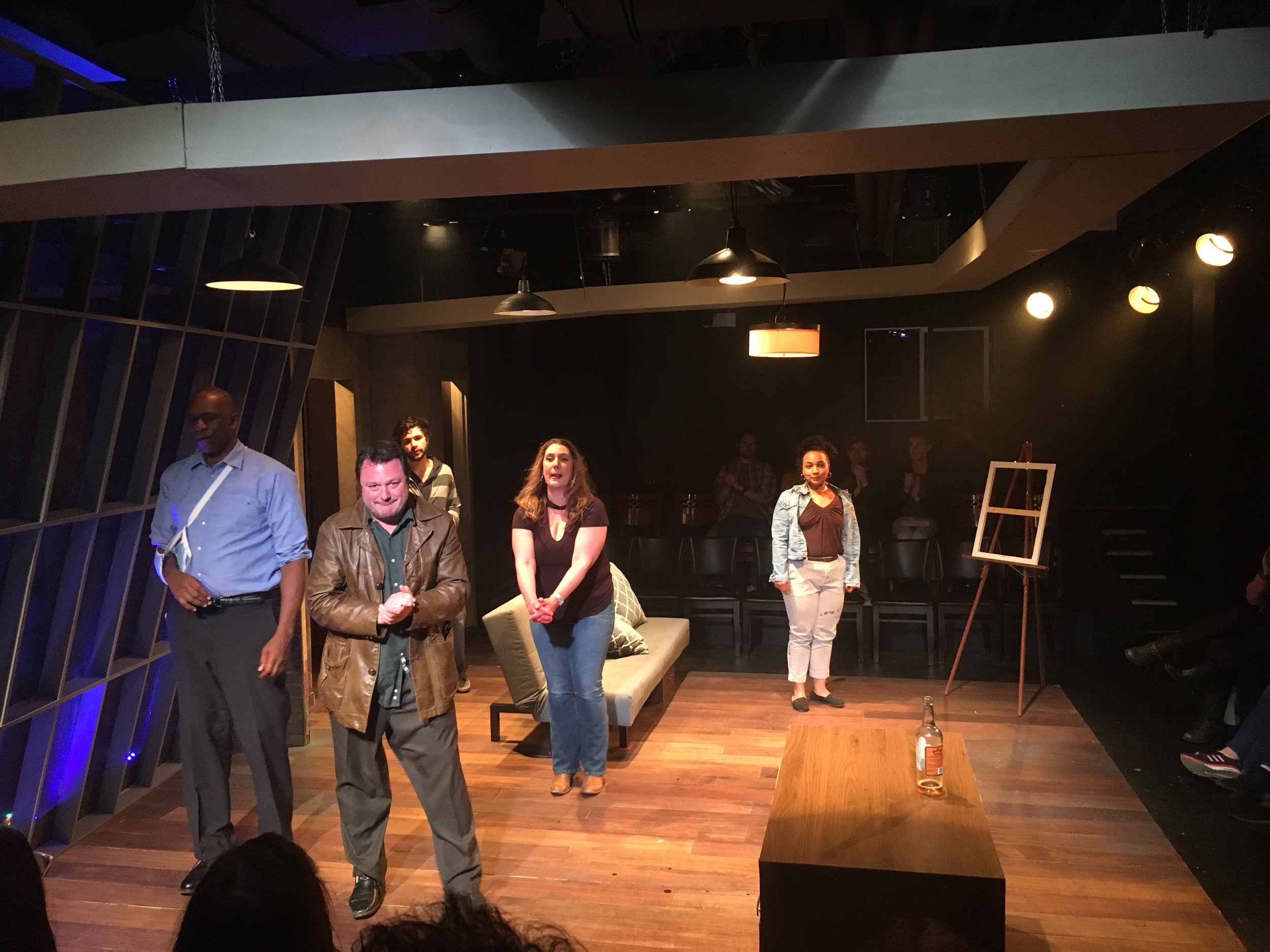

Nurse 911's diagnosis of Man of the People by Dolorez J Diaz
Patient: Man of the People
Health Rating: ★★
Symptoms: randomness rashes, inexplicable self-elevation
Diagnosis: Jump Cut Contamination

Patient: Man of the People
Legal Guardian: Dolorez J Diaz
Insurance: Paperkutz
Symptoms: randomness rashes, inexplicable self-elevation
Diagnosis: Jump Cut Contamination
Patient Description:
Sorry for the delay, Doctor. I’ve come back from my continuing education courses on theater nursing. I am now trained in onstage and offstage CPR! Today’s patient is a simple piece: it’s filled with simple people in a simple time within 1930s Kansas. In this simple story there is a doctor intent on making himself known as a miracle worker within the medical community. Amateur detectives from the American Medical Association are hot on his trail to find out what makes Brinkley hailed by the townsfolk. I was enjoying this simple story until the constant gaps in its progression. Scenes cut to the next almost randomly without much context for explanation. Guiding actions lack subtlety and grace to offer the plot no natural flow. The characters themselves seem to cut to different personalities between scenes. Why does Brinkley go from a resolute man of his trade to a menace of society within the time it takes to heat a hotpocket? In any case, this piece needs some work beefing up each of its scenes with more content. I've issued a health rating of 2 out of 5 stars with a prescription of whey protein.
Dr. 2's Surgery with Patient Red Bike at the Jedlicka Performing Arts Center
Patient: Red Bike
Health Rating: ★★★
Symptoms: Yearnin’ and peddlin’
Diagnosis: Dude

Patient: Red Bike
Legal Guardians: Playwright Caridad Svich, Director Samantha Nieves
Surname: Morton College
Address: 3801 South Central Avenue, Cicero
Insurance: PagePay Plus
Symptoms: Yearnin’ and peddlin’
Diagnosis: Dude
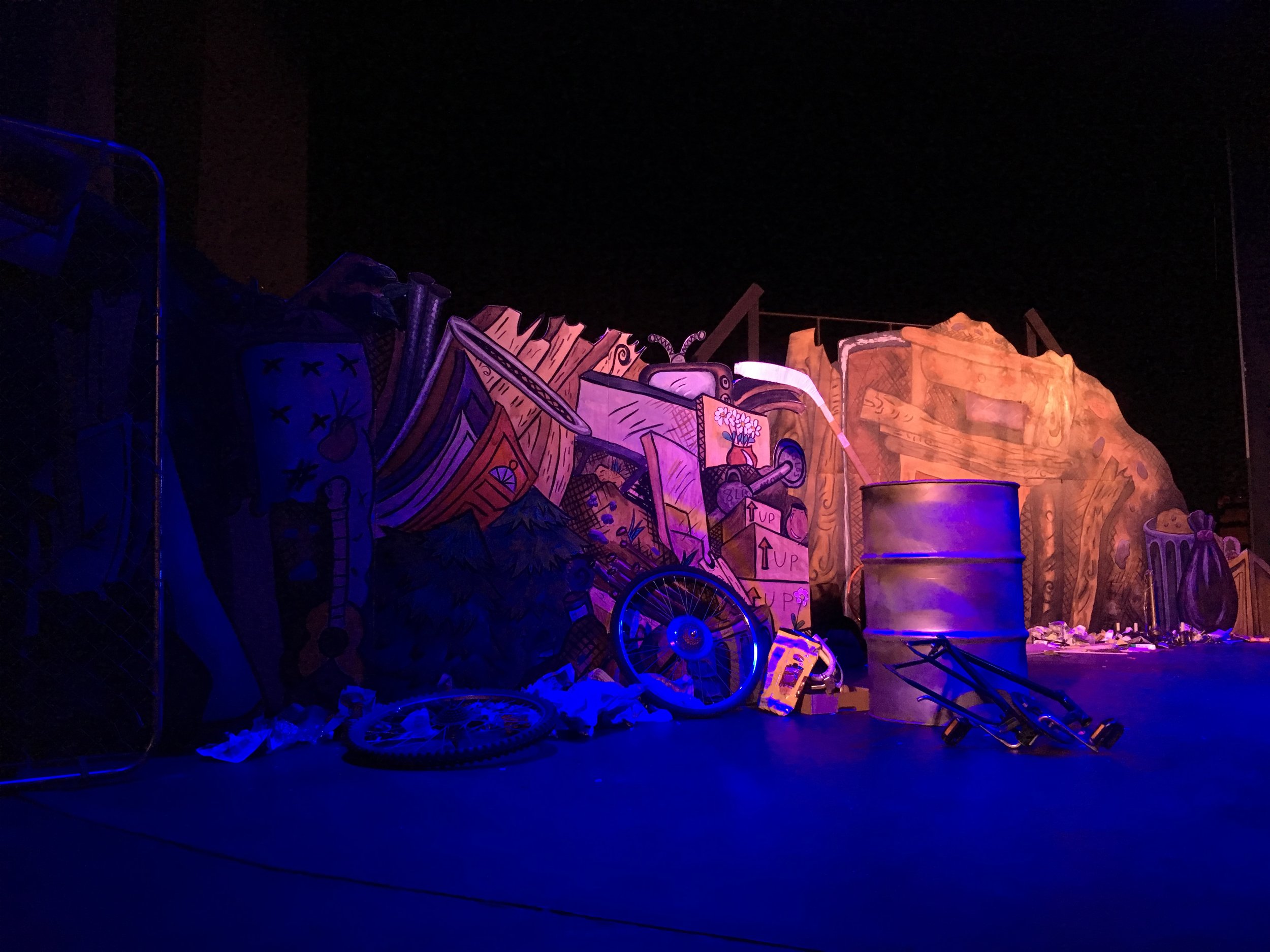
“People ask what my parents do. I tell them, ‘They make people happy.’”
Operation Overview:
“RED-BIKE-RED-BIKE-RED-BIKE.” Damn it, it’s in my head. “RED-BIKE-RED-BIKE-RED-BIKE. RED-BIKE-RED-BIKE-RED-BIKE.” I liked the stage lights. They were red. The stage was pulsing red when they said “RED-BIKE-RED-BIKE-RED-BIKE.” It was aggressive, bold. Wow.
The actors were picturesque while the scene was a properly tiered mess—what a dump. The last time I came over to the Jedlicka, the backdrop for The Last Five Years was the monolithic iceberg from the movie Titanic. This time, the scene and lights created something cozy but energetic, just like the lil’ dreamers themselves. The theater’s surrounding town of Cicero is like any other suburb around Chicago, but to me, it felt more spacey and slower than the rest. The young adults in this play were an organic local harvest.
Svich’s narration consistently tugs the audience to listen in on these kids’ soliloquies like ecstatic diary entries. The tone was transcendent and mostly not bogus. The young actors where enthralling; they perfectly synthesized with Svich’s script. “When I grow up,” where the magic words of this world. The story, though, was far from immortal. I was distracted at the middle and towards the end, almost not catching it. Drama is present, but its impact was laced with a dash of cliches (RED-BIKE-RED-BIKE-RED-BIKE) too simplistic even for a YA theme. This includes the light antagonist. The style and plot was about gazing at the stars and planning one’s future by connecting the dots. I still felt… that… the symbolic antagonist… was not prominent…. enough… or else what was the necessity… of peddling desperately away on… RED-BIKES-RED-BIKES-RED-BIKES?
The patient was convulsing with amateur hour. Lines were shaky and sometimes droned. The playbill introduced fresh student actors, but for the full priced ticket and mainstream advertisement that reeled in moi, these issues should have been addressed for a crisper showtime. They really knocked down the show’s quality. The spirit was there but considerably lacking in articulation. Mara Galeno was appropriately darling and optimistic but overly wonky, as to be unbelievable and lame with half her stage presence. Alejando Salinas had the loudest authentic voice, but even he had his stilted deliveries. I liked Marco Arias; he was a go-getting young leader, but still he lacked sophistication with the rest of his stoop kid troupe. In a way, these flaws made the kiddies more appealing as kiddies within a play, but I still couldn’t help cringing from my seat.
The play’s message was noble and nostalgic, but did not leave any memorable taste in my mouth. The characters, tone, and dialogue took off with Svich’s talent, but I never departed with it. I was never naturally brought to a conclusion because the lack of an involved antagonist did away with one. I grew weary of the speculative style; this would have been fine if it weren’t for the small ideas that were deceptively too small for this small town script. I didn’t leave with anything more than my first impression from the posters: young kiddies dreaming from their RED-BIKES-RED-BIKES-RED-BIKES. With sharper actors and a more sober script, this patient will heal well to a four star health rating, but currently rests post-op with a three star health rating.
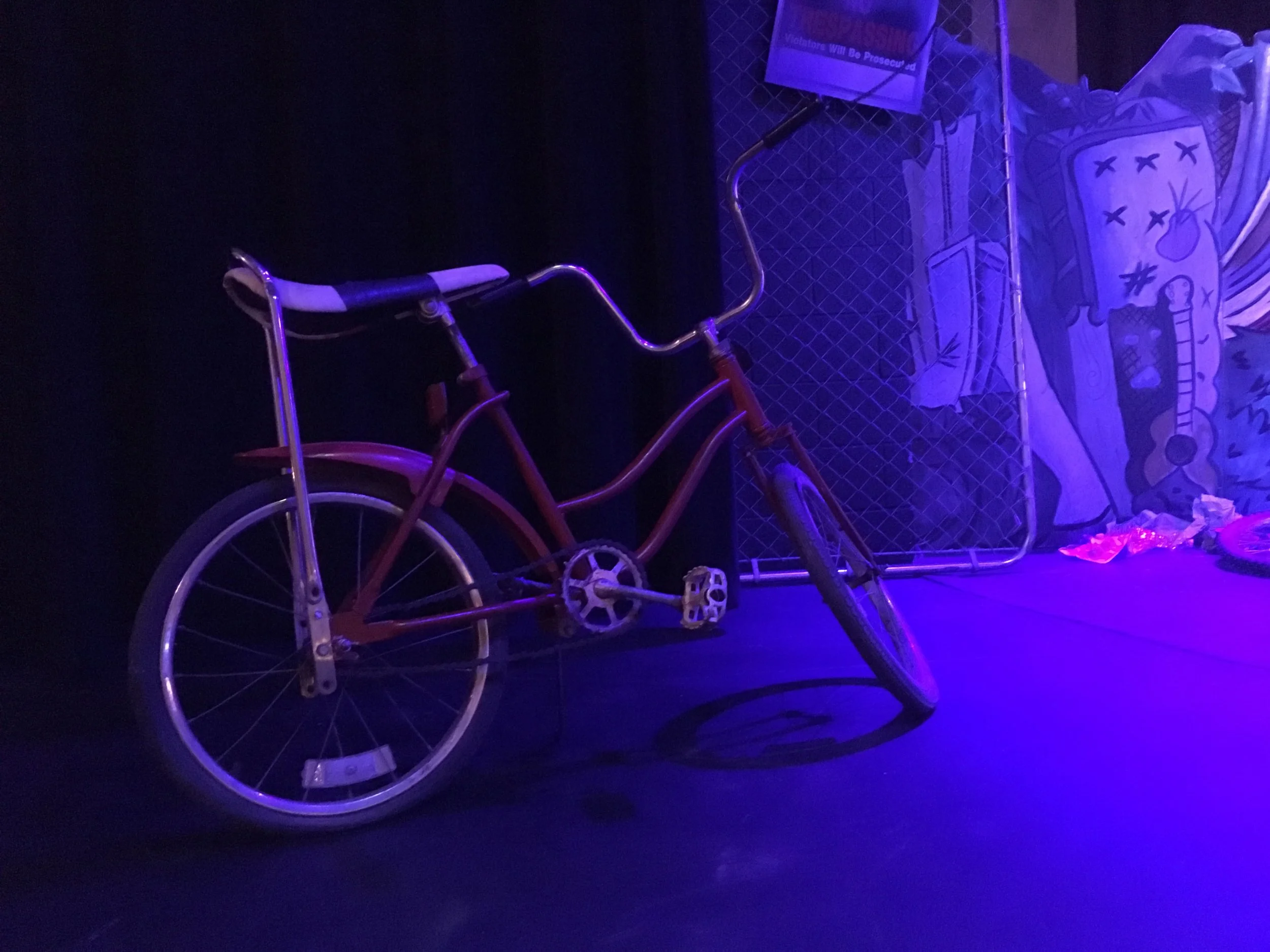
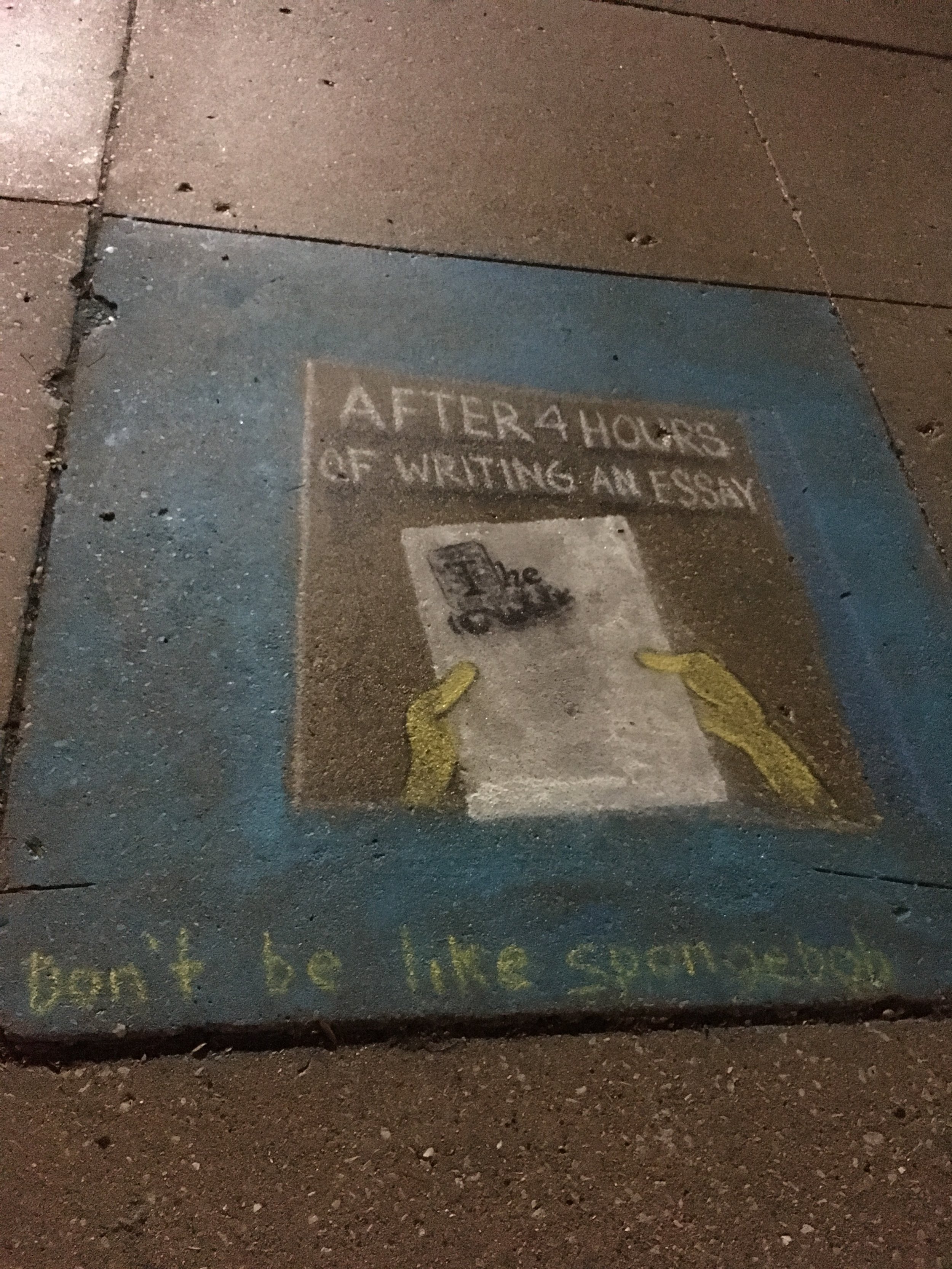


Dr. 2's Surgery with Patient Monger at the Greenhouse Theater Center
Patient: Monger
Health Rating: ★★★★
Symptoms: teenage angst, casual criminality, broken dreams
Diagnosis: Hobbyist

Patient: Monger
Legal Guardians: Playwright Mary Bonnett, Director John Mossman
Surname: Greenhouse Theater Center
Address: 2257 N Lincoln Ave, Chicago
Insurance: Paperkutz
Symptoms: teenage angst, casual criminality, broken dreams
Diagnosis: Hobbyist

“Are you a Jake, Dad?”
Operation Overview:
I entered the patient’s surgery room with slight surprise. It was immediately immersive. It was the set of a seasoned theater designer. It was the best deal a minimal black box had to offer: a kiss of minimalism while still feeling full. The screen projections that displayed the perverse computer lurking of the monger were framed with a (finally) tasteful fragmented design. These typical typing sessions could have been dangerously boring to the audience, but their creeper chat rooms totally brought a Law and Order SVU vibe to the stage. That is hard to do with authenticity. I’m so tired of Mademoiselle A being pounced by Evil Stalker Guy B—BUH BUH. I’m glad Christopher Meloni left SVU late in the show.
Nurse, why have we been seeing so many three to two man patients? Is there profit in this? Is there a mall kiosk somewhere in Broadway, New York, selling these scripts by the dime? The story was good, but you know, I’m just sayin’. Ira Amyx as J.B. Benton stole my heart with his sexslavephilia. He was boyish in his relationships with family and clients but delicate with his sinful pornography, wretchedly wonderful.
Legal Guardian Mary Bonnett has a refined taste for dialogue, but the child/parent dynamic was too unbalanced to ignore. Joshua Zambrano as little Eddie had too much power. He shut down the stakes for his dad too early. I’m not sure what the parent had to lose with almost no limiting circumstance. The play’s flaw is in disguise as the character’s flaw as a teenage brat, but even brats get spanked sooner. Mr. Benton’s authoritative personality was irrationally patient toward his son; this bothered me beyond a mere projection of my own morals upon him.
There was no meandering, but certain segments were inescapably drawn out. The story had good action to keep things moving, but a few scenes could have been almost half as long as they needed to be: Ms. Edward’s interviews were the main sinners. Jamise Wright as Ruth summoned a mother’s woe-ridden thunderstorm to the stage, but the script’s pauses, stretches, and repetition dampened her energy. I experienced the creeping impetus and rising suspicion of the grieving parent, but the scenes need some sacrifice with the scalpel. With these issues addressed, the patient will be a devilishly handsome five star political piece.
The Doctor salutes The Dreamcatcher Foundation which provides support and specialization for the prevention of human trafficking. They provided an inspiring talkback after the show with a former prostitute who shared an intense journey of love, camaraderie, and hope found through the program. Good work, ladies.
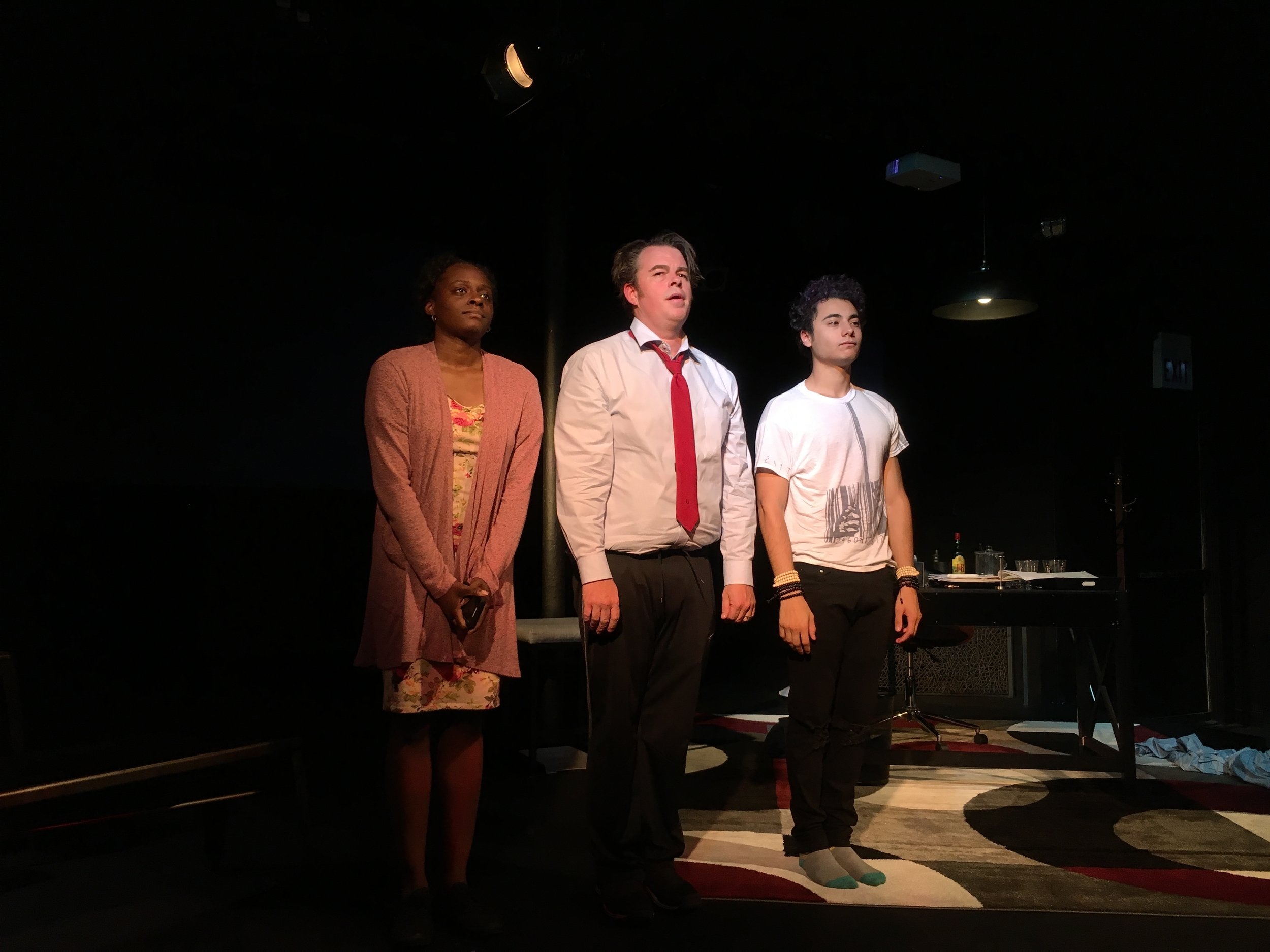


Dr. 2's surgery with patient The Aliens at the Collaboraction's Pentagon Theater
Patient: The Aliens
Health Rating: ★★★★
Symptoms: second hand smoke, psychedelics, guitars
Diagnosis: Geniuses

Patient: The Aliens
Legal Guardians: Playwright Annie Baker, Producer Alexandra Shields, Director Gus Schlanbusch
Surname: Aegis Theatre Company
Address: 1579 N Milwaukee Ave Chicago, IL
Insurance: Bookmarx
Symptoms: second hand smoke, psychedelics, guitars
Diagnosis: geniuses

“You guys aren’t supposed to be back here.”
Operation Overview:
This diagnosis agonized me. I did and didn’t enjoy Ms. Baker’s script. The entire story felt like a subplot. That was the plot. The marginalized lost boys smoked cigarettes, weedijuana, psychedelics, and plucked the guitar at the back of a restaurant. It’s plain; I get it; I didn’t like it. I had friends like these so I’m not alien (hah) to the genre. It reminded me of the cinema Stand By Me with its small town American boys just trying to grow up.
The indulgent pauses in the intro demanded rather than invited a tone of authenticity. This quickly put me on guard. Peter Giessl started the show with America’s favorite bad boy pastime: cigarette brooding. Oh, hell yea—more… pausing! Griffin Johnston was a perfect Evan. I like the way he, like, the calls… he, um. I liked the calls he made with his… um. It was like—the way he… Anyway… at least there’s Evan. Miles Potter kept kindling the audience with KJ’s humor, but Ms. Baker’s script continued to bog down action with a swamp of thought speculation from the characters. I imagine she’d argue that the pauses are for the realism but it’s already there, Miss. It was present the first three times.
I yearned for a more dramatic back ally plot in Nowhere town. The writing was too offhand. Again, this was the content of the genre! Is it I who is simply not immersing themselves in the narrative? No, I held on to my impression: I wasn’t. I didn’t make the essential bond with the characters. One more act could have done it. When the climax’s sickle came swinging for the harvest I wasn’t moved.
The story brought drama to the table, but if a few undulations of emotion defined a healthy patient, then I wouldn’t be in the business of curing the weak in spirit because none could be defined as such. I’ll assign four stars for the Aegis Theater company actors and three for Baker. It was… alright.
Update 10-26-2018
The patient grew on me over time. My cerebral impression was cautiousness from the scary long pauses. “Uh oh, the characters are trying to be profound.” My better feelings invited me back to Ms. Baker’s play without my permission. Miles Potter was a picturesque KJ; it was his moments that acted as checkpoints in the drama that are still concreted within me. I want to extend my four star health rating to Ms. Baker’s script as well, not just the Aegis Theatre Company. I remain consistent with my criticism that some crucial emotional hooks missed with me, namely with Jasper the character apart from the actor. If just one more dramatic element were present, I would feel inclined to give the play a five star health rating. It was… pretty good.



Dr. 2's diagnosis of Breath Me In by Rachel Lynett
Patient: Breath Me In
Health Rating: ★
Symptoms: explosion induced deafness, piano twinkling
Diagnosis: Neurosis

Patient: Breath Me In
Legal Guardian: Playwright Rachel Lynett
Insurance: Paperkutz
Symptoms: explosion induced deafness, piano twinkling
Diagnosis: Neurosis
“I just want to write bad pop songs that make people cry in their cars.”
Patient Description:
The patient is critical. She’s hooked up to a revision machine and slowly regaining her energy. The dialogue is chat, just chit-chat. It has no purpose; it’s not inviting. One could say it’s character based awkwardness, but the main players are still mannequins. Adam’s nervousness is stilted and kills the pace. Even as a character flaw, the patient’s form is too hindered. His comments on black stereotypes are not funny and hardly worth ruminating. The patient’s subtext is juvenile with “maybes” and “kind ofs” as passive instructions for the actor. At times the commands were inverse as telling. What’s the number for the patient’s insurance?


Dr. 2's surgery with patient (Not) Another Day at the Prop Thtr
Patient: (Not) Another Day
Health Rating: ★★
Symptoms: plot hole, not whole, plot hole
Diagnosis: He-can’t-be-forced-to-leave

Patient: (Not) Another Day
Legal Guardians: Playwright Jenny Magnus, Technical Wrangler Stefan Brün.
Surname: Curious Theatre Branch
Address: Prop Thtr [sic] 3502 N. Elston Ave
Insurance: PagePay Plus
Symptoms: plot hole, not whole, plot hole
Diagnosis: He-can’t-be-forced-to-leave

“He’s been on the show so long he’s an institution.”
Operation Overview:
Nurse… um… I was… confused. The patient was… experimental. It was fun. It didn't have a plot. That was the plot: to discover the plot. The actors were impressively involved in dancing out the confusion. They lived as the sporadic gears of a nonstop cuckoo clock. The show was poppin’ with eccentric energy that made me laugh out loud. I wasn't pleased, however, with the overall fragmented experience.
The television interludes of the soap opera that the Writer was editing were hilarious at times, but after the fifth round of intentional deterioration of the same episode, I was wondering if I was still watching a theater show. The wonkiness became hypnotic and served only to give authority to small thoughts in a haywire dialogue. Again, at first the irony was hilarious and curious, but then the giggles started to sag. Behind the wall of semi-musical freestyle, there was almost no content: not even a broad through-line. If there was one, I wasn’t invited to find it. A lack of plot, in a plot, about a lack of plot, is not the justification for its own lack of plot! The speech was pure madness; every paragraph was bloated with evil non sequiturs. Not more than three sentences in a row would make sense. This was my biggest peeve with this show and this genre, but perhaps I’m too Christian.
All actors onstage were darling, despite my distaste for the script. The virtue of the experimental theater is their freedom: the actors and MC brought the audience to ride on their desired wavelength. The rodeo started to die down after the high strung zingers lost their punch. My advice to the legal guardians would be more relevant free association that doesn't meander off the walls. I've prescribed some downers because the irony got scary with the peripheral wild sex in the holy chapel. Counterintuitively, this was when the performance was the most vapid. When the patient is ready to behave, I'll raise them up to three stars while other Freudian wizards may appreciate them at four.
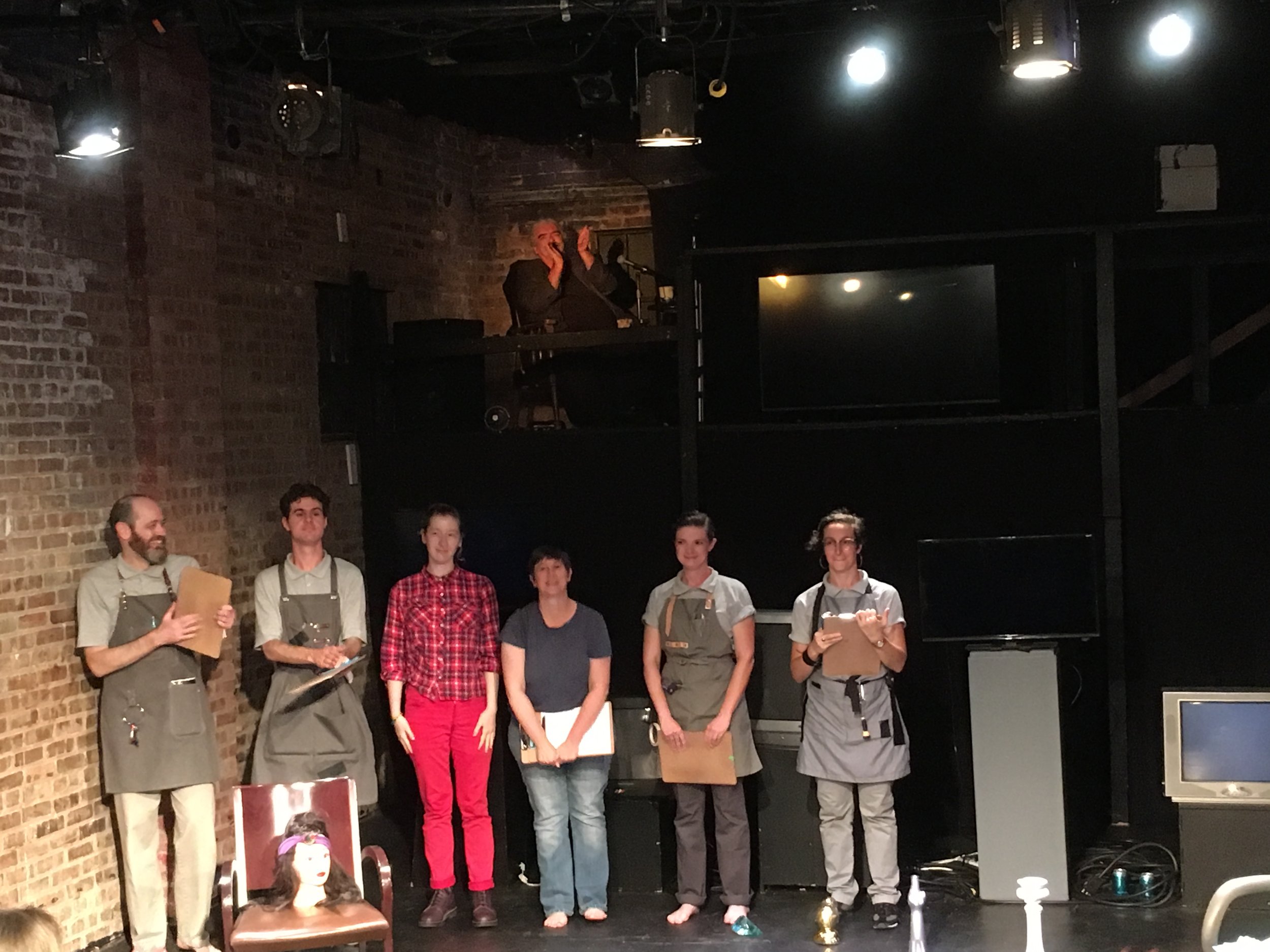

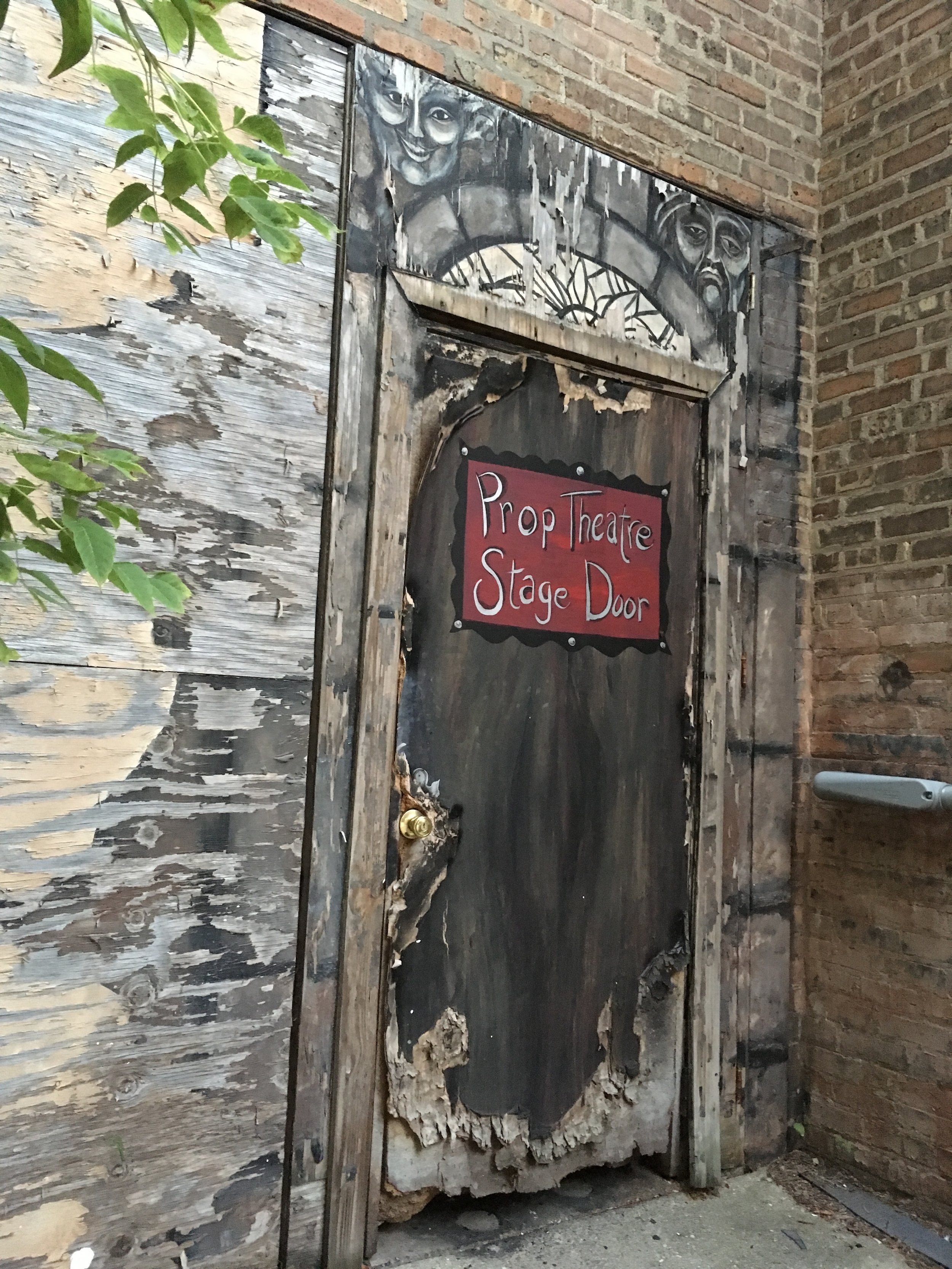


Dr. 2's surgery with patient ILY at the Greenhouse Theater
Patient: ILY
Health Rating: ★★★
Symptoms: teenage lurv, bae time, homo love
Diagnosis: awkwaaaaaaaaaaardness.

Patient: ILY
Legal Guardians: Playwright Jennifer Bradley, Director Kayla Menz
Surname: Unheard Of Theater Company
Address: The Greenhouse Theater, 2257 N Lincoln Ave, Chicago, IL 60614
Insurance: Bookmarx Medical
Symptoms: teenage lurv, bae time, homo love
Diagnosis: awkwaaaaaaaaaaardness.

“I’ve got everything I need right here.”
Operation Overview:
The set was a bit bare, but when it comes to economical, nothing beats the quick brick wall. The actors were immediately involved on stage and promised a crisp show. The sex was kinda sexy, but the awkward scenes often felt drawn out. Frequent bedside brooding told the tales of hot monogamy, but repetitive use of the pause button kept putting the audience on hold. This caused a number of stale moments, but the actors always kept it fresh. The Unheard Of Company debut didn’t have much to add to their bare bone playbill. No confetti?
The sincerity and conviction of the actors made the show inviting, but the patient’s script is hungry for a stronger set of stories. They were too basic with too little a tinge to make them notable. Less dialogue and a spoonful of drama would have given these lovebirds more color for their wings. The patient’s health rating is like a high school break-up before heading to college: bittersweet, but not the end.


Dr. 2's diagnosis of patient Man and Moon by Siena Marilyn Ledger
Patient: Man and Moon
Health Rating: ★★
Legal Guardian: Playwright Siena Marilyn Ledger
Insurance: PagePay Plus
Symptoms: cancer, transsexualism, guitars and stars
Diagnosis: lunacy blues

Patient: Man and Moon
Legal Guardian: Playwright Siena Marilyn Ledger
Insurance: PagePay Plus
Symptoms: cancer, transsexualism, guitars and stars
Diagnosis: lunacy blues
“Not all things that exist make sense.”
Patient Description:
The patient opened up to me with natural dialogue and good pacing. Afterward, their health steadily declined without much to save it. The two man show is flat: it's missing another subplot or a more dramatic main one. The story is poignant, but never eventful, with the only action scene feeling like a false catharsis because Luna is so cheesy, even for her young age. Luna is actively boring while Aaron is passively boring. Aaron…needs to…stop being…brooding because…the audience…is waiting…no more…triple dots. Luna's scientific chit-chat goes from charming to trite to goading. Not sure why most Pronouns where Capitalized; it was likely subtext For transsexualism, but it Wasn't consistent. Aaron could use more considerable content for their trans monologues, but they did begin to invite my sympathy with their pathos. Revising these with an Rx of Cliché-Away to make Luna less saccharine would help this sincere patient reach a four star rating. For now, it waits in the ward with a two star rating.


Dr. 2's surgery with patient The Last Five Years at the Jedlicka Performing Arts Center
Patient: The Last Five Years
Health Rating: ★★★★
Legal Guardian: Playwright and Composer Jason Robert Brown, Director Rachel Elise Johnson and Isaac Loomer. Music Director Annabelle Revak
Surname: Jedlicka Performing Arts Center
Address: 3801 South Central Ave., Cicero, 60804
Insurance: Paperkutz
Symptoms: "nah-nah-nah-nah-nah-nah-nah-nah-nah"
Diagnosis: It's time to be happy

Patient: The Last Five Years
Legal Guardian: Playwright and Composer Jason Robert Brown, Director Rachel Elise Johnson and Isaac Loomer. Music Director Annabelle Revak
Surname: Jedlicka Performing Arts Center
Address: 3801 South Central Ave., Cicero, 60804
Insurance: Paperkutz
Symptoms: "nah-nah-nah-nah-nah-nah-nah-nah-nah"
Diagnosis: It's time to be happy

“He’s insane... but look what he can do.”
Operation Overview:
Honestly, a "two-man musical" sounds either like a theatrical get-rich-quick scheme, or an inhumane actor experiment to be conducted in the dungeons of off-off-off-Broadway. Nobody asked me for my social security, and the actors looked like they had enough vitamin D. I'll marginalize my suspicion for now.
Ick, rolling stages. Nothing says "transition time" like a giant, rumbling platform. The giant rumbling scenes, however, where well decorated in the petite space given. The main stage was like a bad marriage: at first some artifices hid its flaws, but the longer one sat with it, the more prominent those flaws became. The outside of the proscenium and the musical's live band were all creatively framed, but the main wall of the stage seemed like a rough draft or an outline. I like minimalist and economical, but it was brutally amateur as the main set piece. It was downright disgusting, vague, artificial, and even distracting. The basic color white was likely chosen to give way to transparency for the lights and to avoid distraction, but this decision completely backfired. I liked the pretty lights; the pretty lights made me feel good. They seemed to prefer Catherine's soliloquys as they helped her negative emotions pop or weep.
The two actors of the two-man-musical were no ordinary actors: they were... super actors. The aforementioned small spaces and full length tap-dance pressured these actors into hyper hamsters on Mach five wheels. At first I felt fear because they were so damn strong—like ox. Natalie Rae as Catherine Hiatt was emotionally combustive with the most trenchant pantomiming I've ever seen. Curtis Bannister is a wizard of facial expression. My countenance felt sore just from watching him, but he never seemed histrionic. I'll always remember him as the best Jewish clock I've ever seen. Uplifting an entire performance naturally gave these players their exercise.
I wanted to give the patient a robust health rating, but a stinky je ne sais quoi had hovered over me like a meek fart cloud. What was it that disallowed me to make the final leap to fall in love? Because the actors were rockstars, I can make the conclusion that the fault of the show lay with the legal guardian. The story wasn't unique: it was too quotidian, or at least too subtle for my taste. It was certainly drawn out. I did relish the monologues the legal guardian had intended to be considered, but still, the drama felt too soft. At four stars out of five, this patient is doing fi-ne-ne-ne-ne-ne-ne-ne-ne!


Dr. 2's diagnosis of patient The Brownings by Sam Henderson
Patient: The Brownings
Health Rating: ★★
Legal Guardian: Playwright Sam Henderson
Insurance: Paperkutz
Symptoms: period blood, scotch, morphine, psychosis
Diagnosis: loco

Patient: The Brownings
Legal Guardian: Playwright Sam Henderson
Insurance: Paperkutz
Symptoms: period blood, scotch, morphine, psychosis
Diagnosis: loco
“I’m just gonna drink this ink, insert this pen into my urethra, and swallow my tongue.”
Patient Description:
Nurse, hand me my anti-bias pills. No, they're for me; histrionics are a theme in this one. I was initiatlly impressed by the considerate poetry in the monologues, but the legal guardian didn't write these: Lizzy did. The patient's plot imported poetic artifacts to conjure up a story about the nonfiction Browning; its purpose was merely to decorate the legal guardian's profane taste. Was Elizabeth Barrett Browning this wild? Her antiquated morphine prescription morphed into a license for dramatic vulgarity. Natural dialogue, exciting build-up, smooth transitions, and insightful subtext show that the legal guardian was raised better: just like Browning's rep. Schumann's late meandering is unfun and can be generously sliced. I'd mention the utter futility of the fourth-wall-breaking cliché, but the patient is already dead. Let the defibrillator get to it in the morning.